Professional manufacturer with the design, development and production of rubber and plastic machinery

The Essential Guide to Rubber Calender Machine Production Lines
Oct 18,2026
In the field of rubber processing, the Rubber Calender Machine Production Line plays a pivotal role in the manufacturing of rubber products. These machines are specifically designed to process and refine rubber materials into sheets, films, and other forms that are essential in various applications. Understanding how these machines operate, their components, and their benefits can provide valuable insights for manufacturers looking to optimize their production processes.
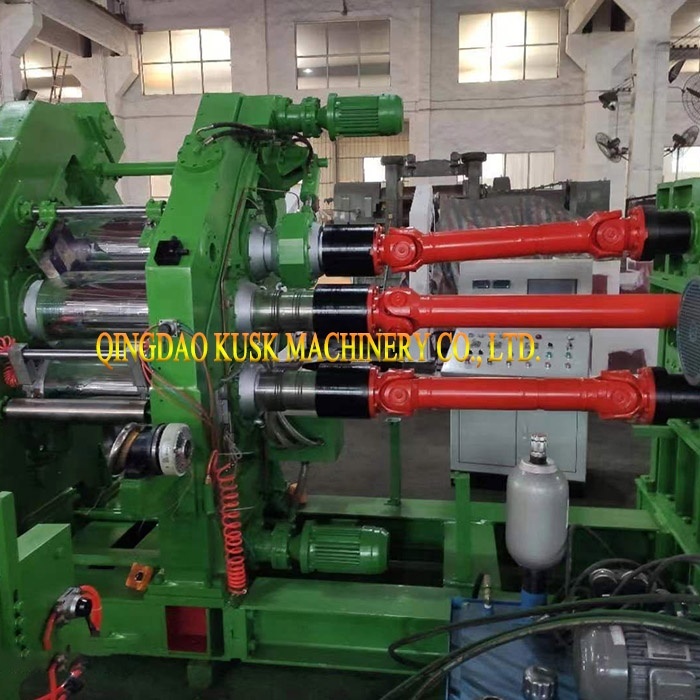
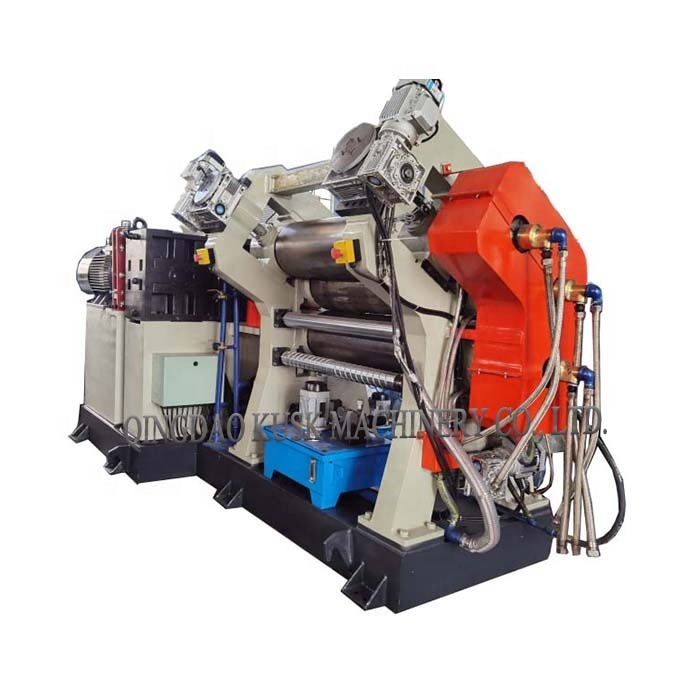
At its core, the rubber calendering process involves passing rubber through a series of rollers to achieve the desired thickness and texture. The production line typically consists of several key components, including the calendering machine itself, feeding systems, and cooling or drying units. This configuration allows for the continuous processing of rubber, ensuring a consistent output that meets quality standards.
One of the primary advantages of using a Rubber Calender Machine Production Line is its ability to produce uniform sheets of rubber with precise dimensions. The rollers can be adjusted to control the thickness, which is critical for products that require specific measurements. Additionally, the ability to integrate various additives during processing enhances the material's properties, allowing manufacturers to customize rubber for specific applications.
Moreover, the automation features of modern rubber calender machines significantly increase production efficiency. Automated feeding systems reduce the manual labor required, while advanced control systems optimize the speed and pressure of the rollers. This not only improves consistency but also minimizes waste, making the production process more sustainable.
Another critical aspect of rubber calendering is the cooling phase, which solidifies the processed rubber. Cooling units can be integrated into the production line to ensure that the rubber retains its shape and quality after it passes through the rollers. This stage is vital for preventing defects and ensuring that the final product meets industry standards.
In summary, a Rubber Calender Machine Production Line is an essential asset in the rubber processing industry. It combines technology and engineering to deliver high-quality rubber products efficiently. For manufacturers, understanding how these production lines work can lead to better decision-making in terms of equipment investment and process optimization. By leveraging the capabilities of rubber calender machines, businesses can enhance their competitiveness and meet the evolving demands of the market.
At its core, the rubber calendering process involves passing rubber through a series of rollers to achieve the desired thickness and texture. The production line typically consists of several key components, including the calendering machine itself, feeding systems, and cooling or drying units. This configuration allows for the continuous processing of rubber, ensuring a consistent output that meets quality standards.
One of the primary advantages of using a Rubber Calender Machine Production Line is its ability to produce uniform sheets of rubber with precise dimensions. The rollers can be adjusted to control the thickness, which is critical for products that require specific measurements. Additionally, the ability to integrate various additives during processing enhances the material's properties, allowing manufacturers to customize rubber for specific applications.
Moreover, the automation features of modern rubber calender machines significantly increase production efficiency. Automated feeding systems reduce the manual labor required, while advanced control systems optimize the speed and pressure of the rollers. This not only improves consistency but also minimizes waste, making the production process more sustainable.
Another critical aspect of rubber calendering is the cooling phase, which solidifies the processed rubber. Cooling units can be integrated into the production line to ensure that the rubber retains its shape and quality after it passes through the rollers. This stage is vital for preventing defects and ensuring that the final product meets industry standards.
In summary, a Rubber Calender Machine Production Line is an essential asset in the rubber processing industry. It combines technology and engineering to deliver high-quality rubber products efficiently. For manufacturers, understanding how these production lines work can lead to better decision-making in terms of equipment investment and process optimization. By leveraging the capabilities of rubber calender machines, businesses can enhance their competitiveness and meet the evolving demands of the market.
Hot Tags:
PREVIOUS:
Contact Us
E-mail:
tender701@gmail.com
tender701@163.com
Phone/WhatsApp:
+86 137 9243 6835
Address:
Huangshan Economic Zone, Huangdao, Qingdao,China
