Professional manufacturer with the design, development and production of rubber and plastic machinery

How Vacuum Rubber Vulcanizing Presses Enhance Product Quality in the Rubber Industry
Jul 29,2026
How Vacuum Rubber Vulcanizing Presses Enhance Product Quality in the Rubber Industry
Table of Contents
1. Introduction to Vacuum Rubber Vulcanizing Presses
2. The Vulcanization Process Explained
3. Benefits of Using Vacuum Technology in Rubber Vulcanization
3.1. Improved Product Consistency
3.2. Enhanced Material Properties
3.3. Reduced Defects and Waste
4. Key Features of Vacuum Rubber Vulcanizing Presses
4.1. Advanced Control Systems
4.2. High-Temperature and Pressure Capabilities
5. Applications of Vacuum Rubber Vulcanizing Presses
6. Comparing Traditional vs. Vacuum Vulcanizing Methods
7. Maintenance and Best Practices for Vacuum Vulcanizing Presses
8. Future Trends in Vacuum Rubber Vulcanization
9. Frequently Asked Questions (FAQs)
10. Conclusion
1. Introduction to Vacuum Rubber Vulcanizing Presses
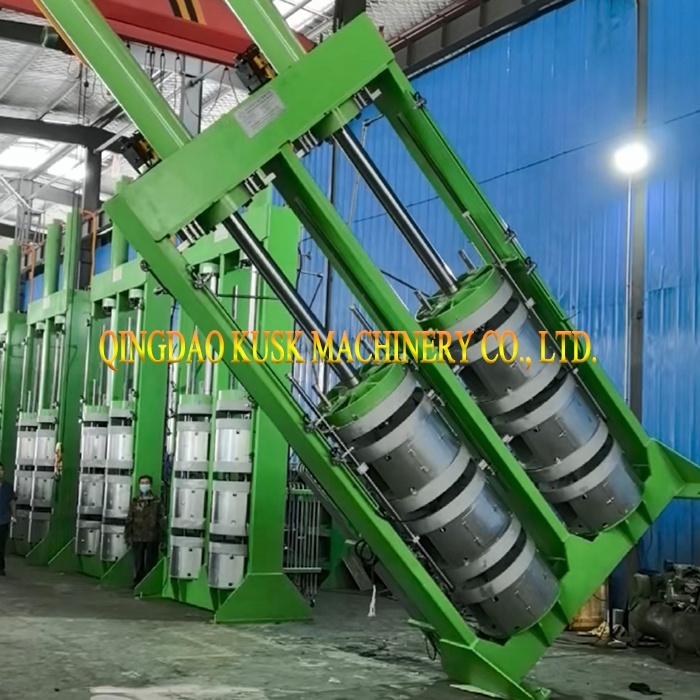
In the competitive landscape of the rubber industry, **maximizing product quality** is paramount. Vacuum rubber vulcanizing presses have emerged as an innovative solution that significantly enhances the final product's characteristics. These advanced machines utilize vacuum technology to facilitate the vulcanization process, a critical stage in rubber manufacturing, where raw rubber is transformed into durable, elastic products.
2. The Vulcanization Process Explained
Vulcanization is a chemical process that involves the cross-linking of rubber molecules, typically achieved by the addition of sulfur. This process enhances the rubber's elasticity, strength, and resistance to heat and chemicals. Vacuum rubber vulcanizing presses operate by applying heat and pressure in a controlled environment, allowing for uniform distribution of temperature and minimizing air pockets or impurities within the rubber compound.
3. Benefits of Using Vacuum Technology in Rubber Vulcanization
3.1. Improved Product Consistency
One of the key advantages of vacuum rubber vulcanizing presses is their ability to produce **consistent quality products**. The vacuum environment eliminates air bubbles and contaminants, leading to a more homogeneous mixture. This consistency results in rubber products that meet precise specifications and performance standards.
3.2. Enhanced Material Properties
The vacuum vulcanization process significantly improves the **mechanical and physical properties** of the rubber. The controlled environment allows for optimal curing conditions, resulting in products with greater tensile strength, improved elasticity, and better resistance to wear and tear.
3.3. Reduced Defects and Waste
Traditional vulcanization methods often lead to defects such as voids, blisters, and uneven curing. Vacuum rubber vulcanizing presses reduce these issues, resulting in less wasted material and lower production costs. By minimizing defects, manufacturers can also enhance their reputation for quality and reliability.
4. Key Features of Vacuum Rubber Vulcanizing Presses
4.1. Advanced Control Systems
Modern vacuum rubber vulcanizing presses come equipped with sophisticated control systems that monitor and adjust temperature and pressure in real-time. These systems ensure that the vulcanization process occurs under optimal conditions, further enhancing product quality.
4.2. High-Temperature and Pressure Capabilities
Vacuum rubber vulcanizing presses are designed to handle high temperatures and pressures, essential for effective curing. This capability allows manufacturers to work with a wide range of rubber compounds, including specialty formulations that require specific vulcanization conditions.
5. Applications of Vacuum Rubber Vulcanizing Presses
Vacuum rubber vulcanizing presses are versatile machines used in various applications across the rubber industry. Common uses include the production of tires, seals, gaskets, and other rubber products that demand high durability and performance. By incorporating vacuum technology, manufacturers can meet the stringent requirements of industries such as automotive, aerospace, and medical devices.
6. Comparing Traditional vs. Vacuum Vulcanizing Methods
When evaluating traditional vulcanization methods against vacuum vulcanizing presses, it's clear that the latter offers numerous advantages. Traditional methods often rely on atmospheric pressure, which can introduce air into the rubber mixture, leading to defects. In contrast, vacuum presses create a controlled environment that fosters superior quality and performance.
7. Maintenance and Best Practices for Vacuum Vulcanizing Presses
To ensure optimal performance and longevity of vacuum rubber vulcanizing presses, manufacturers must adhere to stringent maintenance protocols. Regular inspections, cleaning, and timely replacement of worn-out components are crucial. Additionally, operators should be trained in best practices for loading and unloading materials to minimize the risk of contamination and ensure even curing.
8. Future Trends in Vacuum Rubber Vulcanization
The future of vacuum rubber vulcanization looks promising, with ongoing advancements in technology and materials. Innovations such as automation, artificial intelligence, and improved materials science are set to enhance the efficiency and quality of the vulcanization process. As the industry continues to evolve, manufacturers who adopt these technologies will maintain a competitive edge.
9. Frequently Asked Questions (FAQs)
Q1: What is the main advantage of using vacuum rubber vulcanizing presses?
A1: The primary advantage is the production of high-quality, consistent rubber products with fewer defects due to the elimination of air and contaminants.
Q2: How does vacuum technology affect curing times?
A2: Vacuum technology often reduces curing times, allowing for faster production cycles while ensuring optimal material properties.
Q3: Can vacuum vulcanizing presses be used for all types of rubber compounds?
A3: While they are versatile, the suitability of vacuum vulcanizing presses depends on the specific requirements of the rubber compound being used.
Q4: What maintenance is required for vacuum rubber vulcanizing presses?
A4: Regular inspections, cleaning, and maintenance of components such as seals and heating elements are essential to ensure optimal performance.
Q5: Are vacuum rubber vulcanizing presses more expensive than traditional presses?
A5: While the initial investment may be higher, the long-term benefits in terms of quality, efficiency, and reduced waste often justify the cost.
10. Conclusion
Vacuum rubber vulcanizing presses represent a significant advancement in the rubber manufacturing industry, offering unparalleled benefits in terms of product quality and consistency. By leveraging vacuum technology, manufacturers can produce high-performance rubber products that meet and exceed industry standards. As the demand for superior rubber solutions continues to grow, embracing this technology will be crucial for businesses aiming to stay competitive in a rapidly evolving market. Investing in vacuum rubber vulcanizing presses is not just a choice for today; it's a strategic decision for a successful future in rubber manufacturing.
Hot Tags:
PREVIOUS:

Contact Us
E-mail:
tender701@gmail.com
tender701@163.com
Phone/WhatsApp:
+86 137 9243 6835
Address:
Huangshan Economic Zone, Huangdao, Qingdao,China
