Professional manufacturer with the design, development and production of rubber and plastic machinery

Understanding the Mixing Process: Banbury Mixers in Rubber Production
Jun 03,2026
Understanding the Mixing Process: Banbury Mixers in Rubber Production
Table of Contents
- 1. Introduction to Banbury Mixers
- 2. Importance of Mixing in Rubber Production
- 3. How Banbury Mixers Work
- 4. Advantages of Using Banbury Mixers
- 5. Applications of Banbury Mixers in the Rubber Industry
- 6. Maintenance of Banbury Mixers
- 7. Future of Banbury Mixers in Rubber Production
- 8. Frequently Asked Questions
1. Introduction to Banbury Mixers
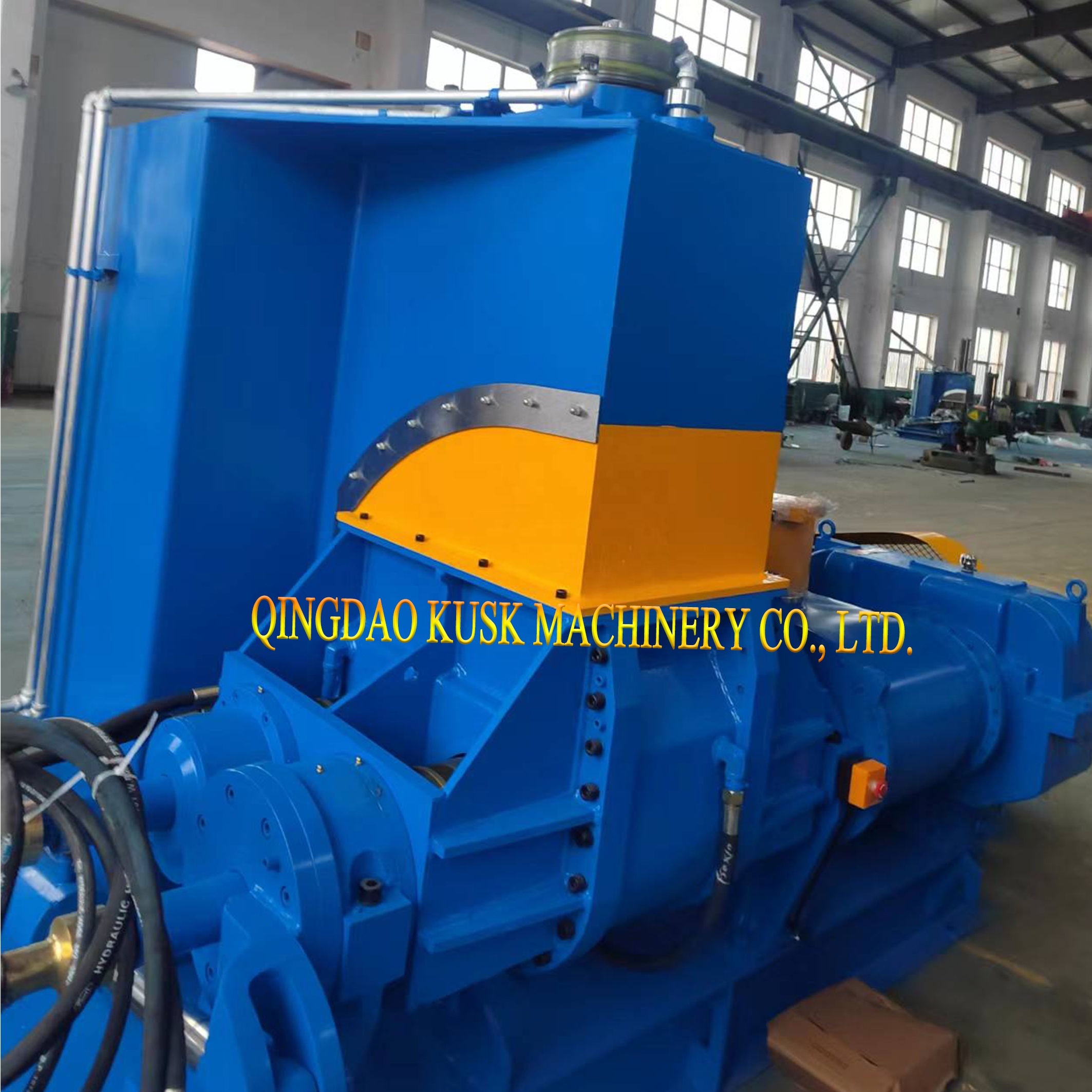
The **Banbury mixer** is a pivotal piece of machinery in the rubber production industry, revolutionizing the way materials are mixed to produce high-quality rubber products. With a design that promotes efficient mixing and processing of viscous materials, Banbury mixers have long been a staple in rubber manufacturing. This article will explore the complexities of the mixing process, particularly highlighting how Banbury mixers contribute to the overall efficiency and quality of rubber production.
2. Importance of Mixing in Rubber Production
In rubber production, the **mixing process** is critical to achieving the desired properties of the final product. Proper mixing ensures that all components, such as fillers, chemicals, and rubber polymers, are uniformly distributed. This uniformity directly impacts the performance characteristics of rubber, such as strength, elasticity, and durability.
The mixing process also plays a vital role in incorporating additives that enhance the rubber's performance, including **vulcanizing agents** and **plasticizers**. The efficiency of this mixing process can determine the overall quality and consistency of the rubber, making the choice of mixing equipment extremely important.
3. How Banbury Mixers Work
3.1 Components of Banbury Mixers
Banbury mixers are characterized by their robust design and essential components, which include:
- **Mixing Chamber:** The heart of the mixer, where the materials are combined.
- **Two Rotors:** These are typically intermeshing and rotate in opposite directions, creating a shearing action that promotes thorough mixing.
- **Temperature Control System:** Maintains optimal temperature during mixing, essential for the curing process.
- **Discharge Door:** Allows for the easy removal of mixed material from the chamber.
Understanding these components is crucial for optimizing the mixing process and troubleshooting any issues that may arise during operation.
3.2 Mixing Process in Detail
The mixing process in a Banbury mixer involves several steps:
1. **Material Loading:** Components are loaded into the mixing chamber, which is sealed to prevent material loss and contamination.
2. **Initial Mixing:** The rotors begin to turn, creating a mechanical shear force. This action breaks down larger particles and begins the blending process.
3. **Heat Generation:** The friction generated by the mixing creates heat, which is essential for the curing of rubber. The temperature control system regulates this heat to ensure optimal mixing conditions.
4. **Homogeneous Blend:** As mixing continues, the materials become more homogeneous. The mixing time can vary based on the specific formulation and desired properties of the final product.
5. **Discharge:** Once the desired consistency is achieved, the mixed rubber is discharged through the discharge door for further processing.
This detailed mixing process underscores the sophistication of Banbury mixers and their significant role in producing high-quality rubber.
4. Advantages of Using Banbury Mixers
Banbury mixers offer numerous advantages that make them an ideal choice for rubber production:
- **Efficiency:** The mixing process is quick and effective, leading to shorter production times.
- **Uniformity:** They ensure a consistent and homogeneous mix, vital for maintaining quality standards.
- **Temperature Control:** The ability to manage heat during mixing allows for optimal curing conditions.
- **Versatility:** Banbury mixers can accommodate a wide range of materials, making them suitable for diverse rubber formulations.
These benefits contribute to enhanced productivity and product quality, solidifying Banbury mixers as a preferred option in the rubber industry.
5. Applications of Banbury Mixers in the Rubber Industry
Banbury mixers are employed in various applications within the rubber industry, including:
- **Tire Manufacturing:** Used for blending compounds that enhance tire performance.
- **Industrial Rubber Products:** Ideal for producing gaskets, seals, and other rubber components.
- **Consumer Goods:** Employed in the production of items like rubber mats, grips, and footwear.
The versatility of Banbury mixers makes them indispensable in these applications, catering to both high-volume production and specialized rubber formulations.
6. Maintenance of Banbury Mixers
Maintaining Banbury mixers is essential for ensuring longevity and optimal performance. Key maintenance practices include:
- **Regular Inspections:** Frequent checks for wear and tear on rotors and mixing chambers.
- **Lubrication:** Ensuring all moving parts are adequately lubricated to prevent friction and overheating.
- **Cleaning:** Regular cleaning of the mixing chamber to avoid contamination of materials.
Implementing a comprehensive maintenance plan can significantly reduce downtime and improve efficiency in rubber production.
7. Future of Banbury Mixers in Rubber Production
As technology continues to evolve, the future of Banbury mixers looks promising. Innovations in automation and control systems are expected to enhance the efficiency and precision of the mixing process. Additionally, the integration of IoT technology may allow for real-time monitoring, leading to smarter production processes.
Moreover, as the demand for sustainable and eco-friendly rubber products grows, Banbury mixers will likely adapt to accommodate new materials and formulations that meet these demands.
8. Frequently Asked Questions
What is a Banbury mixer?
A Banbury mixer is a heavy-duty machine used primarily in the rubber industry for mixing and compounding materials to create high-quality rubber products.
How does a Banbury mixer work?
Banbury mixers operate by using intermeshing rotors that create shear forces to blend materials within a sealed mixing chamber, while a temperature control system maintains optimal conditions for curing.
What are the advantages of using a Banbury mixer?
The advantages include efficiency, uniformity in mixing, temperature control during the process, and versatility for various rubber formulations.
What types of products are made using Banbury mixers?
Banbury mixers are commonly used to produce tires, industrial rubber products, and consumer goods made from rubber.
How can I maintain my Banbury mixer?
Regular inspections, lubrication of moving parts, and thorough cleaning of the mixing chamber are crucial maintenance practices to ensure the longevity and performance of a Banbury mixer.
Conclusion
Banbury mixers are integral to the rubber production process, offering unmatched efficiency and control in the mixing of rubber compounds. Understanding their operation, maintenance, and applications provides valuable insights for industry professionals seeking to enhance production quality and efficiency. As we look towards the future, the continuous evolution of technology promises to further optimize the role of Banbury mixers in rubber manufacturing, ensuring that they remain at the forefront of this essential industry.
Hot Tags:
PREVIOUS:

Contact Us
E-mail:
tender701@gmail.com
tender701@163.com
Phone/WhatsApp:
+86 137 9243 6835
Address:
Huangshan Economic Zone, Huangdao, Qingdao,China
