Professional manufacturer with the design, development and production of rubber and plastic machinery

Troubleshooting Common Issues with Vacuum Rubber Vulcanizing Presses: A Comprehensive Guide
May 16,2026
Troubleshooting Common Issues with Vacuum Rubber Vulcanizing Presses
Introduction to Vacuum Rubber Vulcanizing Presses
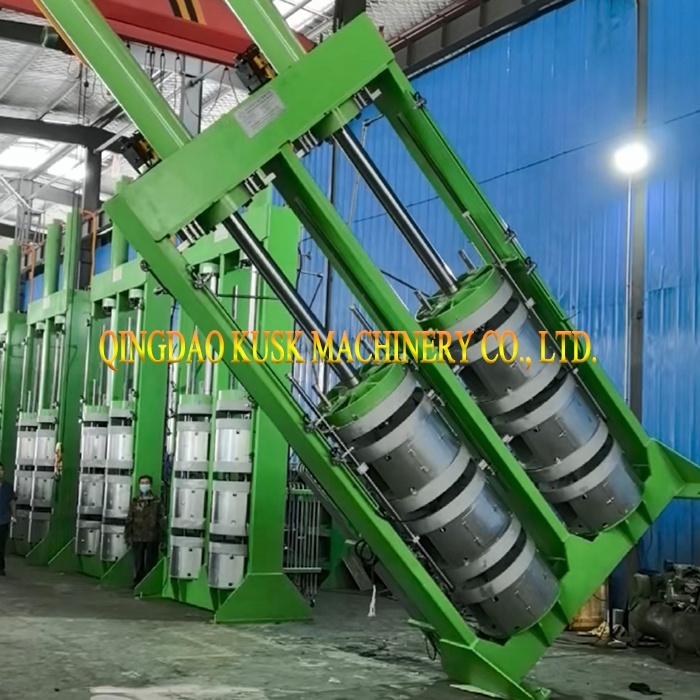
Vacuum rubber vulcanizing presses play a crucial role in the rubber processing industry. These machines are designed to cure rubber materials under controlled conditions, ensuring optimal physical properties and performance. However, like any complex machinery, they can encounter various issues that may disrupt operations. In this guide, we will explore common problems associated with vacuum rubber vulcanizing presses and provide effective troubleshooting techniques to resolve them.
Table of Contents
- Understanding the Vacuum Rubber Vulcanizing Process
- Common Issues with Vacuum Rubber Vulcanizing Presses
- Troubleshooting Vacuum Leaks
- Temperature Control Issues
- Pressure Fluctuations and Their Solutions
- Curing Time Variations
- Effective Maintenance Practices for Vacuum Presses
- Frequently Asked Questions
- Conclusion
Understanding the Vacuum Rubber Vulcanizing Process
The vacuum rubber vulcanizing process involves heating rubber materials in a pressurized environment while maintaining a vacuum. This method enhances the mechanical properties of rubber, such as elasticity, strength, and resistance to environmental factors. The process typically includes several stages:
1. **Preparation**: Compounding the rubber with additives to achieve desired properties.
2. **Molding**: Placing the compounded rubber into molds.
3. **Vulcanization**: Applying heat and pressure in a vacuum environment, allowing chemical reactions to occur that cure the rubber.
4. **Cooling**: Reducing the temperature to stabilize the vulcanized rubber.
Understanding these stages helps in identifying where issues may arise during operation, allowing for more effective troubleshooting.
Common Issues with Vacuum Rubber Vulcanizing Presses
Despite their reliability, vacuum rubber vulcanizing presses can experience several common issues, including:
- **Vacuum leaks**
- **Temperature control problems**
- **Pressure fluctuations**
- **Curing time variations**
- **Electrical failures**
These problems can lead to defective products, increased production time, and higher operational costs.
Troubleshooting Vacuum Leaks
Vacuum leaks are one of the most critical issues that can affect the performance of vulcanizing presses. They can result in incomplete curing and poor product quality. Here’s how to troubleshoot vacuum leaks effectively:
Identifying Vacuum Leaks
- **Visual Inspection**: Check seals, gaskets, and joints for any visible damage or wear.
- **Soapy Water Test**: Apply soapy water to suspected areas; bubbling indicates a vacuum leak.
- **Vacuum Gauge Monitoring**: Observe vacuum levels during operation; fluctuations may indicate leaks.
Resolving Vacuum Leaks
- **Replace Damaged Seals**: Ensure all seals and gaskets are in good condition and replace any that are worn.
- **Tighten Connections**: Ensure all connections are securely tightened.
- **Regular Maintenance**: Implement a routine maintenance schedule to prevent future leaks.
Temperature Control Issues
Temperature control is crucial in the vulcanization process. Inconsistent temperatures can lead to improper curing and product defects. Troubleshooting temperature control issues involves:
Identifying Temperature Control Problems
- **Thermocouple Calibration**: Regularly calibrate thermocouples to ensure accurate readings.
- **Monitoring Heating Elements**: Inspect heating elements for signs of wear or malfunction.
- **Check Control Systems**: Ensure that the temperature control system is functioning correctly.
Resolving Temperature Control Issues
- **Adjust Control Settings**: Fine-tune the temperature settings based on material specifications.
- **Replace Faulty Components**: If heating elements or thermocouples are faulty, replace them immediately.
- **Inspect Insulation**: Ensure that insulation around the press is intact to prevent heat loss.
Pressure Fluctuations and Their Solutions
Pressure fluctuations can lead to inconsistent vulcanization and product defects. Here’s how to troubleshoot these issues:
Identifying Pressure Fluctuations
- **Pressure Gauge Monitoring**: Regularly monitor pressure gauges for fluctuations during the vulcanization cycle.
- **Examine Hydraulic Systems**: Inspect hydraulic systems for leaks or air bubbles that may affect pressure stability.
Resolving Pressure Fluctuations
- **Bleed Air from Hydraulic Systems**: Ensure that hydraulic systems are free of air bubbles.
- **Check for Leaks**: Inspect all hydraulic lines for leaks and repair as necessary.
- **Maintain Consistent Material Feed**: Ensure that the rubber feed into the press is consistent to avoid pressure changes.
Curing Time Variations
Curing time is critical for ensuring the quality of the final product. Variations in curing time can lead to inconsistent results. To troubleshoot this issue:
Identifying Curing Time Variations
- **Monitor Curing Cycles**: Keep track of curing times for different batches and look for any discrepancies.
- **Assess Material Batch Consistency**: Ensure that all rubber batches are consistent in composition.
Resolving Curing Time Variations
- **Adjust Vulcanization Parameters**: Fine-tune temperature and pressure settings based on material specifications.
- **Inspect Material Quality**: Ensure that the rubber material meets quality standards and is homogeneous.
- **Standardize Procedures**: Implement standardized operating procedures for all batches to maintain consistency.
Effective Maintenance Practices for Vacuum Presses
Regular maintenance is key to preventing issues with vacuum rubber vulcanizing presses. Here are essential maintenance practices:
Scheduled Maintenance Checks
- Conduct regular inspections of all components, including electrical systems, hydraulic systems, and vacuum mechanisms.
Cleaning and Lubrication
- Keep machinery clean and lubricate moving parts regularly to ensure smooth operation.
Training Operators
- Provide training for operators on proper usage and basic troubleshooting techniques to minimize downtime.
Frequently Asked Questions
1. What are the main causes of vacuum leaks in rubber vulcanizing presses?
Common causes include damaged seals, improper installation, and wear over time.
2. How often should I perform maintenance on my vacuum vulcanizing press?
It is advisable to perform maintenance checks monthly and deep inspections quarterly.
3. What should I do if my press is not reaching the desired temperature?
Inspect the heating elements, thermocouples, and control systems for faults, and replace any defective components.
4. How can I ensure consistent curing times?
Standardize your material preparation and operating procedures, and regularly calibrate your machinery.
5. What is the impact of pressure fluctuations on product quality?
Pressure fluctuations can lead to uneven curing, resulting in products with defects, such as weak spots or inconsistent density.
Conclusion
Troubleshooting common issues with vacuum rubber vulcanizing presses is essential for maintaining high-quality production and operational efficiency. By understanding the various challenges that can arise—such as vacuum leaks, temperature control issues, pressure fluctuations, and curing time variations—operators can implement effective solutions and best practices. Regular maintenance, training, and vigilance will ensure your vulcanizing presses operate smoothly, ultimately leading to superior product quality and reduced downtime. Invest in your equipment and workforce to optimize your rubber processing operations today.
Hot Tags:
PREVIOUS:

Contact Us
E-mail:
tender701@gmail.com
tender701@163.com
Phone/WhatsApp:
+86 137 9243 6835
Address:
Huangshan Economic Zone, Huangdao, Qingdao,China
