Professional manufacturer with the design, development and production of rubber and plastic machinery

Enhancing Product Quality with a Three Rollers Rubber Calender: A Comprehensive Guide
May 02,2026
Enhancing Product Quality with a Three Rollers Rubber Calender
Table of Contents
- Introduction to Three Rollers Rubber Calender
- Operational Principles of a Three Rollers Rubber Calender
- Key Advantages of Using a Three Rollers Rubber Calender
- Applications of Three Rollers Rubber Calender in the Industry
- Best Practices for Operating a Three Rollers Rubber Calender
- Maintenance Tips for Longevity and Performance
- Common Issues and Troubleshooting
- Future Trends in Rubber Calendering Technology
- Conclusion
- FAQs
Introduction to Three Rollers Rubber Calender
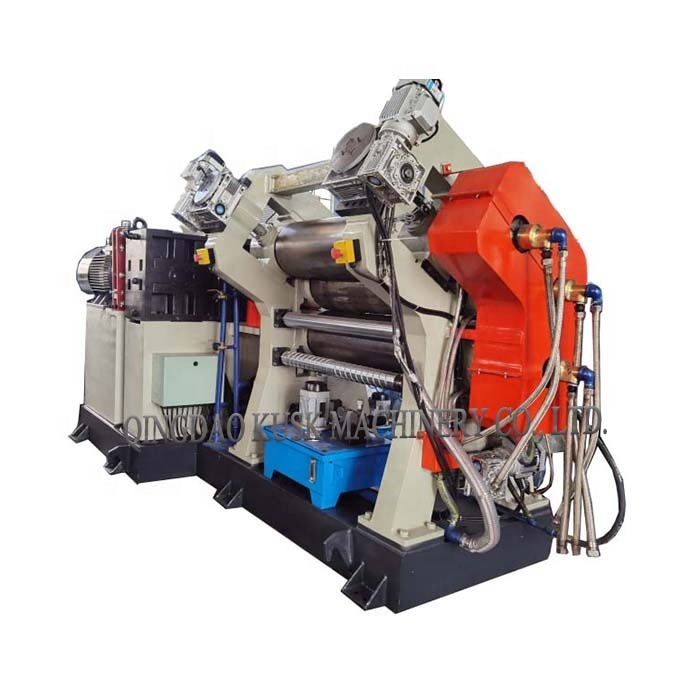
In the competitive landscape of the rubber processing industry, ensuring consistent product quality is paramount. A three rollers rubber calender is an indispensable tool designed to achieve just that. With its ability to produce high-quality rubber sheets and components, the three rollers rubber calender stands as a testament to engineering excellence and innovation.
This machine operates by utilizing three strategically arranged rollers, each playing a crucial role in the processing of raw rubber materials. By controlling the temperature, pressure, and speed of the rollers, manufacturers can achieve precise thickness and texture, resulting in superior end products.
Operational Principles of a Three Rollers Rubber Calender
Understanding how a three rollers rubber calender operates is essential for maximizing its potential. The operational principles involve several key components:
1. The Rollers
The three rollers are typically arranged in a triangular formation. The top roller, known as the feed roller, is responsible for taking in raw rubber material. The two lower rollers, known as the middle and bottom rollers, help to spread and thin the rubber as it passes through.
2. Temperature Control
Temperature plays a pivotal role in the rubber processing process. The rollers are often heated, which allows for better manipulation of the rubber. By maintaining optimal temperatures, manufacturers can reduce viscosity and enhance the flow of the material, ensuring consistency in thickness.
3. Pressure Application
The pressure applied between the rollers helps to achieve the desired thickness and texture. By adjusting the distance between the rollers, operators can control the pressure exerted on the rubber, allowing for fine-tuning of the end product.
4. Speed Variability
The speed at which the rollers turn can also be adjusted. Different speeds can affect the finish and quality of the rubber produced, making it important for operators to find the right balance for their specific applications.
Key Advantages of Using a Three Rollers Rubber Calender
The benefits of incorporating a three rollers rubber calender into production lines are numerous:
1. Enhanced Quality Control
With precise control over the thickness and properties of the rubber, manufacturers can ensure superior quality in every batch. This leads to increased customer satisfaction and reduced waste from defective products.
2. Versatility in Applications
Three rollers rubber calenders are suitable for a variety of applications, from producing rubber sheets for tires to manufacturing components for industrial machinery. This versatility makes them an invaluable asset in diverse sectors.
3. Increased Production Efficiency
By automating the rubber processing steps, manufacturers can significantly boost production rates. The three rollers design allows for continuous operation, which contributes to overall efficiency and cost-effectiveness.
4. Customization Options
Manufacturers can tailor the calendering process to produce rubber with specific properties, such as hardness or elasticity. This customization is essential for meeting the unique demands of different industries.
5. Energy Efficiency
Modern three rollers rubber calenders are designed with energy efficiency in mind. By optimizing the operation processes, manufacturers can reduce energy consumption and lower operational costs.
Applications of Three Rollers Rubber Calender in the Industry
The three rollers rubber calender finds applications across various sectors, solidifying its role as a versatile tool in rubber processing.
1. Tire Manufacturing
In the tire industry, three rollers rubber calenders are used to produce rubber sheets that will be molded into tire components. The ability to control thickness and texture is vital for ensuring performance and durability.
2. Construction Materials
Rubber sheets produced by calenders are extensively used in the construction industry for flooring, roofing membranes, and insulation materials. The high-quality standards achieved through calendering make these products reliable and durable.
3. Automotive Components
Various rubber parts used in vehicles, such as gaskets and seals, are manufactured using three rollers rubber calenders. The precision of the calendering process ensures optimal fit and function for automotive applications.
4. Industrial Products
From conveyor belts to vibration dampeners, the three rollers rubber calender helps create high-quality industrial rubber products that meet specific performance standards.
5. Consumer Goods
Rubber products for everyday use, such as rubber bands and footwear, also benefit from the advanced capabilities of three rollers rubber calenders, ensuring consistency and quality in consumer goods.
Best Practices for Operating a Three Rollers Rubber Calender
Maximizing the benefits of a three rollers rubber calender requires adherence to best practices. Here are some strategies to enhance operational efficiency:
1. Regular Training for Operators
Investing in training for operators ensures they understand the machine's intricacies. Knowledgeable operators can optimize settings and troubleshoot issues effectively.
2. Routine Maintenance Checks
Establishing a routine maintenance schedule for the machine is essential for preventing breakdowns and ensuring consistent performance. Regular checks on the rollers, heating elements, and pressure systems can help identify potential issues before they escalate.
3. Monitoring Material Quality
The quality of the raw materials entering the calender significantly impacts the final product. Ensure that materials meet quality standards and are free from contaminants.
4. Utilizing Technology for Precision
Incorporating automation and monitoring technologies can enhance precision in the calendering process. Sensors can provide real-time data on temperature, pressure, and speed, allowing for immediate adjustments.
5. Feedback Mechanisms
Establishing feedback mechanisms to collect data on product quality can help refine processes. Continuous improvement driven by data analysis can lead to enhanced product quality over time.
Maintenance Tips for Longevity and Performance
Proper maintenance of a three rollers rubber calender is crucial for ensuring its longevity and optimal performance:
1. Cleaning Procedures
Regular cleaning of the rollers is essential to prevent contamination and ensure product quality. Utilize appropriate cleaning agents that do not damage the rubber surface.
2. Lubrication of Moving Parts
Ensuring that all moving parts are adequately lubricated will reduce friction and wear, extending the lifespan of the machine.
3. Checking Electrical Components
Regular inspections of electrical components can prevent unexpected failures. Ensure that connections are secure and that all wiring is in good condition.
4. Monitoring Heating Systems
The heating systems should be regularly checked for efficiency. Any irregularities in temperature can significantly affect the quality of the rubber produced.
5. Documenting Maintenance Activities
Keeping detailed records of maintenance activities can help track the performance of the machine and identify patterns that may indicate the need for repairs or upgrades.
Common Issues and Troubleshooting
While three rollers rubber calenders are robust machines, operators may encounter common issues. Here’s how to troubleshoot:
1. Uneven Thickness
If the rubber produced has uneven thickness, check the roller alignment and pressure settings. Adjusting these parameters can often resolve the issue.
2. Excessive Wear on Rollers
If the rollers show signs of excessive wear, inspect the lubrication system and ensure that proper cleaning protocols are being followed.
3. Overheating
Overheating can lead to material degradation. Inspect the heating elements and ensure that temperature controls are functioning correctly.
4. Material Blockages
If there are blockages in the feed area, it may be necessary to clean and clear the rollers. Regular monitoring can help prevent this issue.
5. Inconsistent Product Quality
If product quality varies significantly, review the calibration of the machine and the quality of the raw materials being used.
Future Trends in Rubber Calendering Technology
As technology evolves, the rubber processing industry will likely see significant advancements in three rollers rubber calenders. Key trends to watch include:
1. Automation
The integration of advanced automation technologies will streamline operations and enhance precision, leading to higher product quality.
2. Smart Manufacturing
Incorporating IoT technology will enable real-time monitoring and data analysis, facilitating proactive maintenance and operational efficiency.
3. Eco-Friendly Practices
With an increasing focus on sustainability, future calendering technologies may include energy-efficient designs and materials that minimize environmental impact.
4. Enhanced Customization
Future advancements may further improve the ability to customize rubber properties, allowing manufacturers to meet increasingly specific customer requirements.
5. Advanced Materials
The use of advanced materials in both the calendering machine and the rubber products themselves will likely continue to evolve, enhancing performance and durability.
Conclusion
In the realm of rubber processing, the three rollers rubber calender stands out as a critical tool for enhancing product quality. Through its precise operational principles, numerous advantages, and versatile applications, this machine empowers manufacturers to optimize their production processes. By adhering to best practices and staying abreast of technological advancements, companies can ensure they remain competitive in an ever-evolving market.
FAQs
1. What is the main function of a three rollers rubber calender?
The primary function of a three rollers rubber calender is to process raw rubber into sheets or components by controlling thickness, texture, and other properties.
2. How does temperature affect the calendering process?
Temperature affects the viscosity of rubber; higher temperatures can reduce viscosity, allowing for easier manipulation and better product quality.
3. What maintenance practices are essential for a three rollers rubber calender?
Regular cleaning, lubrication of moving parts, and inspection of heating systems are crucial maintenance practices.
4. Can a three rollers rubber calender be used for different types of rubber?
Yes, a three rollers rubber calender can process various types of rubber, providing versatility for different applications.
5. What are the signs of excessive wear on rollers?
Signs of excessive wear include visible grooves, discoloration, or uneven surfaces on the rollers, which can affect product quality.
Hot Tags:
PREVIOUS:

Contact Us
E-mail:
tender701@gmail.com
tender701@163.com
Phone/WhatsApp:
+86 137 9243 6835
Address:
Huangshan Economic Zone, Huangdao, Qingdao,China
