Professional manufacturer with the design, development and production of rubber and plastic machinery

Exploring Different Types of Extrusion Machines for Rubber Compounds
Apr 10,2026
Exploring Different Types of Extrusion Machines for Rubber Compounds
Table of Contents
- 1. Introduction to Extrusion Machines
- 2. Importance of Extrusion in Rubber Processing
- 3. Types of Extrusion Machines
- 3.1 Single-Screw Extruders
- 3.2 Twin-Screw Extruders
- 3.3 Co-Rotating Twin-Screw Extruders
- 3.4 Counter-Rotating Twin-Screw Extruders
- 3.5 Specialty Extruders
- 4. Key Features of Extrusion Machines
- 5. The Extrusion Process Explained
- 6. Applications of Extrusion Machines in Rubber Manufacturing
- 7. Maintenance Tips for Extrusion Machines
- 8. Frequently Asked Questions
- 9. Conclusion
1. Introduction to Extrusion Machines
Extrusion machines play a pivotal role in the rubber processing industry. These machines are designed to convert raw rubber materials into usable products by pushing the rubber through a die to create uniform shapes. Understanding the different types of extrusion machines available can significantly impact production efficiency, product quality, and overall operational costs.
2. Importance of Extrusion in Rubber Processing
Extrusion is a fundamental process in rubber manufacturing, allowing for the continuous production of rubber profiles and components. The ability to create complex shapes with precision makes extrusion machines indispensable in industries ranging from automotive to consumer goods. By utilizing extrusion technology, manufacturers can enhance their production capabilities, reduce waste, and improve product consistency.
3. Types of Extrusion Machines
When it comes to rubber processing, there are several types of extrusion machines to consider. Each type has unique characteristics suited for specific applications and material types. Below, we explore the most common types of extrusion machines used in rubber manufacturing.
3.1 Single-Screw Extruders
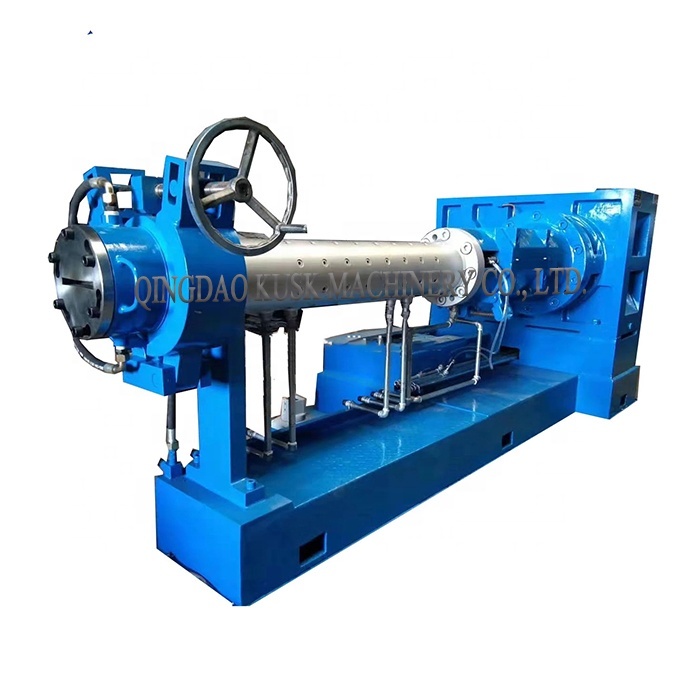
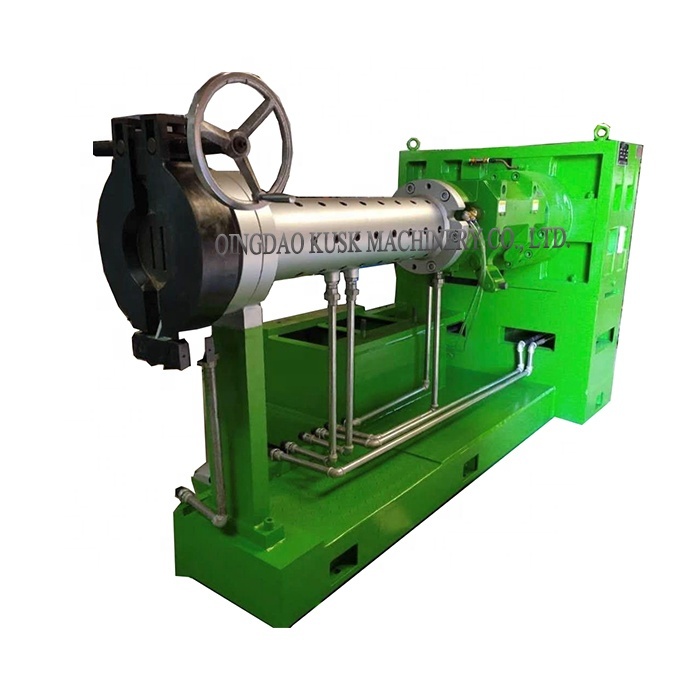
Single-screw extruders are the most widely used extrusion machines in rubber processing. They consist of a single screw that rotates within a heated barrel, moving the rubber material forward and melting it as it travels. This type of extruder is ideal for processing thermoplastics and rubber compounds with consistent viscosity. The advantages of single-screw extruders include their simplicity, ease of operation, and lower initial costs.
3.2 Twin-Screw Extruders
Twin-screw extruders have two intermeshing screws that rotate in the same direction. This design allows for better mixing, kneading, and dispersion of additives in the rubber compound. The increased shear and conveying action makes twin-screw extruders suitable for processing a wide range of rubber materials, including those with varying viscosities. They are particularly effective for compound formulations that require precise control over temperature and pressure.
3.3 Co-Rotating Twin-Screw Extruders
Co-rotating twin-screw extruders are designed for materials that require extensive mixing and homogenization. The screws rotate in the same direction, enhancing the distribution of additives and fillers throughout the rubber compound. This type of extrusion machine is particularly beneficial for producing high-performance rubber materials, such as those used in automotive tires and industrial rubber products.
3.4 Counter-Rotating Twin-Screw Extruders
Counter-rotating twin-screw extruders feature screws that rotate in opposite directions. This unique design allows for improved material transport and can accommodate a wider variety of rubber formulations. Counter-rotating extruders are ideal for applications requiring precise temperature control and material consistency, making them a preferred choice for high-viscosity rubber compounds.
3.5 Specialty Extruders
Specialty extruders cater to specific applications and materials, such as silicone or thermoplastic elastomers (TPEs). These machines are designed with unique features to address the challenges posed by specialized rubber compounds. Specialty extruders may incorporate additional heating or cooling zones and customizable die configurations to meet the demands of niche rubber applications.
4. Key Features of Extrusion Machines
When selecting an extrusion machine for rubber processing, it is essential to consider key features that can impact performance and efficiency. Some of these features include:
- **Temperature Control**: Effective temperature regulation is crucial for achieving optimal mixing and processing of rubber compounds. Advanced extrusion machines offer precise temperature control systems to maintain consistent processing conditions.
- **Screw Geometry**: The design of the screw significantly influences the extrusion process. Manufacturers can customize screw geometries to optimize shear rates and material flow for specific rubber formulations.
- **Feeding Mechanisms**: Different feeding mechanisms, such as gravimetric or volumetric feeders, ensure accurate material input. Proper feeding systems prevent material blockages and ensure a continuous flow of rubber through the extruder.
- **Die Design**: The design and configuration of the die affect the final shape and dimensions of the extruded product. Customizable dies allow for flexibility in producing various rubber profiles and components.
- **Control Systems**: Advanced control systems with automation capabilities enable real-time monitoring and adjustments during the extrusion process. This enhances product consistency and reduces the likelihood of defects.
5. The Extrusion Process Explained
The extrusion process involves several key stages, each crucial for transforming raw rubber into finished products. The steps include:
1. **Material Preparation**: Rubber compounds are prepared by mixing raw rubber with additives, fillers, and other ingredients. This step ensures the desired properties of the final product.
2. **Feeding**: The prepared rubber compound is fed into the extruder through a hopper. Accurate feeding is essential for maintaining the correct material flow during processing.
3. **Melting and Mixing**: As the rubber compound moves through the heated barrel, the rotating screw generates heat through friction, melting the material. Simultaneously, the screw’s geometry promotes thorough mixing and dispersion of additives.
4. **Shaping**: The molten rubber is forced through a die, which shapes it into the desired profile. The die design determines the final dimensions and surface finish of the extruded product.
5. **Cooling and Cutting**: After exiting the die, the extruded rubber is cooled to solidify its shape. The cooled product is then cut into specified lengths for further processing or packaging.
6. Applications of Extrusion Machines in Rubber Manufacturing
Extrusion machines are utilized across various industries for creating an array of rubber products. Some common applications include:
- **Automotive Components**: Extruded rubber profiles are used for seals, gaskets, and weatherstripping in vehicles, ensuring durability and performance under various conditions.
- **Industrial Products**: Many industrial applications rely on extruded rubber products, such as conveyor belts, hoses, and vibration dampers, which enhance operational efficiency and safety.
- **Consumer Goods**: Rubber products like toys, sporting equipment, and household items often utilize extrusion technology to achieve specific shapes and functionalities.
- **Medical Devices**: Extruded rubber components are critical in the medical field, where precise dimensions and material properties are necessary for devices and equipment.
7. Maintenance Tips for Extrusion Machines
Regular maintenance is vital for ensuring the longevity and efficiency of extrusion machines. Here are some essential maintenance tips:
- **Routine Inspections**: Conduct regular visual inspections for signs of wear or damage on the screw, barrel, and die components.
- **Cleaning**: Keep the machine clean to prevent contamination of rubber compounds. Schedule cleaning sessions after production runs, particularly if switching between different materials.
- **Lubrication**: Ensure proper lubrication of moving parts to minimize friction and wear. Follow the manufacturer's recommendations for lubrication intervals and types.
- **Monitoring Performance**: Utilize data logging systems to monitor machine performance. Keep track of temperature, pressure, and output rates to identify any deviations from optimal operating conditions.
- **Training Operators**: Ensure that operators are well-trained in machine operation and maintenance procedures. Proper training can reduce the likelihood of operator errors and enhance overall productivity.
8. Frequently Asked Questions
1. What is the main difference between single-screw and twin-screw extruders?
Single-screw extruders utilize one screw for material transport, while twin-screw extruders use two intermeshing screws for better mixing and processing of rubber compounds.
2. How do I choose the right extrusion machine for my rubber production?
Consider factors such as the type of rubber material, required output rates, and specific product shapes. Consulting with manufacturers can help in selecting the most suitable machine.
3. What maintenance practices are essential for extrusion machines?
Routine inspections, regular cleaning, lubrication of moving parts, and monitoring machine performance are critical maintenance practices to follow.
4. Can extrusion machines handle varying rubber viscosities?
Yes, twin-screw extruders are particularly effective at accommodating a wide range of rubber viscosities, especially in applications requiring extensive mixing and homogenization.
5. What are some common applications of extruded rubber products?
Extruded rubber products are widely used in automotive components, industrial products, consumer goods, and medical devices.
9. Conclusion
Understanding the different types of extrusion machines for rubber compounds is essential for manufacturers aiming to optimize their production processes. By selecting the right equipment based on specific needs and applications, companies can enhance efficiency, reduce waste, and improve product quality. With continuous advancements in extrusion technology, staying informed about the latest developments will further empower businesses to thrive in the competitive rubber manufacturing industry.
Hot Tags:
PREVIOUS:
Contact Us
E-mail:
tender701@gmail.com
tender701@163.com
Phone/WhatsApp:
+86 137 9243 6835
Address:
Huangshan Economic Zone, Huangdao, Qingdao,China
