Professional manufacturer with the design, development and production of rubber and plastic machinery

Expert Guide on Maintaining Your Vacuum Rubber Vulcanizing Press for Optimal Performance
Apr 06,2026
How to Maintain Your Vacuum Rubber Vulcanizing Press for Optimal Performance
In the world of rubber processing, the vacuum rubber vulcanizing press stands as a cornerstone of production, indispensable for creating high-quality rubber products. Regular maintenance of this machinery not only promotes longevity but also ensures optimal performance. In this article, we will explore effective maintenance strategies that will keep your vacuum rubber vulcanizing press running smoothly.
Understanding the Importance of Regular Maintenance
Maintaining your vacuum rubber vulcanizing press is crucial for several reasons:
- Enhanced Performance: Regular upkeep leads to better press operation and improved product quality.
- Extended Lifespan: Proper maintenance reduces wear and tear, prolonging the machinery's operational life.
- Cost Efficiency: Prevents costly repairs and downtimes that can arise from neglect.
What is a Vacuum Rubber Vulcanizing Press?
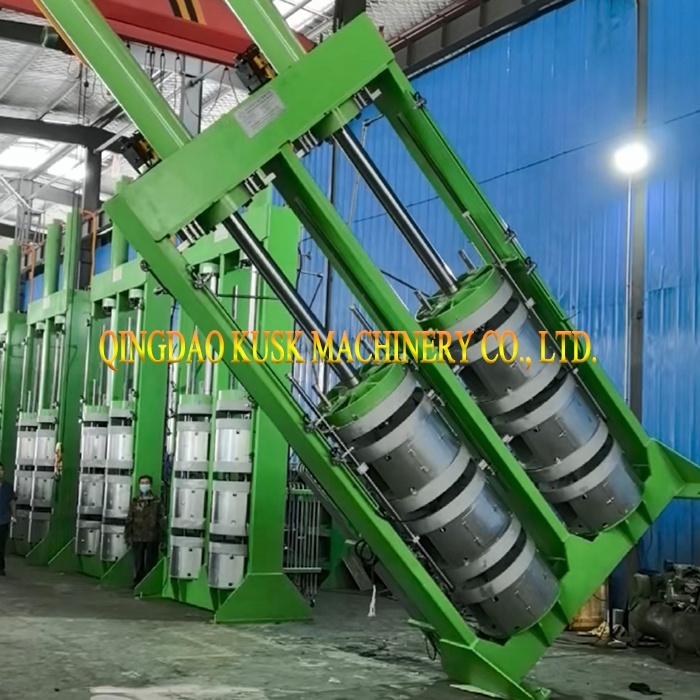
A vacuum rubber vulcanizing press is a specialized machine used in the rubber industry to shape and cure rubber products under heat and pressure. Using vacuum technology, it eliminates air bubbles during the curing process, resulting in higher quality products. Understanding its components is essential for effective maintenance.
Key Components of a Vacuum Rubber Vulcanizing Press
- Hydraulic System: Responsible for applying pressure to the rubber material.
- Heating Plates: Provide the necessary heat for the curing process.
- Vacuum Chamber: Ensures that air is removed from the rubber compound.
- Control Panel: Allows the operator to set and monitor curing parameters.
Daily Maintenance Practices
Implementing a daily maintenance routine is essential for preventing minor issues from escalating into major problems. Here’s what you should focus on:
1. Inspect the Hydraulic System
Check hydraulic fluid levels and look for any signs of leakage. Inspect the hoses and connections for wear or damage. Ensuring that the hydraulic system functions optimally is vital for maintaining pressure during the vulcanization process.
2. Clean the Heating Plates
After each use, clean the heating plates thoroughly. Use a non-abrasive cleaner to remove any residue from the rubber compounds. This prevents contamination of future batches and maintains the efficiency of heat transfer.
3. Monitor the Vacuum System
Regularly check the vacuum pump and hoses for leaks. A well-functioning vacuum system is crucial for achieving the desired quality of rubber products. Listen for abnormal sounds that may indicate a malfunction.
Weekly Maintenance Procedures
In addition to daily practices, a weekly maintenance routine helps in identifying potential issues before they become serious concerns.
1. Check All Electrical Connections
Inspect the control panel and wiring for any signs of wear or loose connections. Proper electrical connections are critical for the safe operation of the press and prevent unexpected shutdowns.
2. Lubricate Moving Parts
Apply lubricant to all moving parts, including hinges, bearings, and pistons. This reduces friction and wear, allowing for smoother operation. Use the manufacturer’s recommended lubricant for the best results.
3. Review Safety Features
Conduct a thorough inspection of all safety features, including emergency stop buttons and safety guards. Ensuring these elements are functional is crucial for the safety of operators and the longevity of the machine.
Monthly Maintenance Checks
Monthly checks should be more comprehensive, addressing components that may not require daily attention.
1. Inspect the Structure of the Press
Look for signs of structural wear, such as cracks or deformities in the frame. Any damage should be addressed immediately to prevent further deterioration.
2. Test the Calibration of the Press
Ensure that the press is properly calibrated according to the specifications. Incorrect calibration can lead to inconsistent product quality. Perform calibration tests and make adjustments as necessary.
3. Review Maintenance Records
Keeping a record of all maintenance activities is essential. Review these records monthly to identify patterns or recurring issues that may need further investigation.
Annual Maintenance Procedures
Annual maintenance is critical for long-term performance and durability of your vacuum rubber vulcanizing press.
1. Comprehensive Inspection
Conduct a thorough inspection of all components, including the hydraulic system, electrical wiring, vacuum system, and structural integrity. Engage a professional, if necessary, for a detailed evaluation.
2. Replace Worn Parts
Identify and replace any parts showing significant wear or damage. This includes seals, gaskets, and hydraulic hoses, which are essential for maintaining performance and safety.
3. Conduct Training Sessions for Operators
Organize training sessions to educate operators about the importance of maintenance and proper machine handling. Knowledgeable operators are key to maintaining optimal performance.
Best Practices for Optimal Performance
Alongside regular maintenance, incorporating best practices can significantly enhance the performance of your vacuum rubber vulcanizing press.
1. Follow Manufacturer Guidelines
Always adhere to the manufacturer's maintenance recommendations. These guidelines provide essential insights into the specific needs of your equipment.
2. Utilize Quality Materials
Using high-quality rubber compounds and materials enhances the overall efficiency of the vulcanizing process. Ensure that raw materials meet industry standards.
3. Implement a Predictive Maintenance Plan
Consider adopting predictive maintenance practices that utilize technology to anticipate equipment failures before they occur. This approach minimizes downtimes and extends the life of the machinery.
FAQs About Maintaining Vacuum Rubber Vulcanizing Presses
1. How often should I perform maintenance on my vacuum rubber vulcanizing press?
Daily, weekly, monthly, and annual maintenance routines should be established to ensure optimal performance.
2. What are the signs that my vulcanizing press needs maintenance?
Signs include unusual noises, decreased pressure, inconsistent product quality, and visible wear on components.
3. Can I perform maintenance on my own, or should I hire a professional?
While some maintenance tasks can be performed in-house, professional inspections and repairs are advisable for complex issues.
4. What should I do if I notice a drop in product quality?
Investigate all aspects of the production process, including equipment performance, raw materials, and operator practices.
5. How can I improve the lifespan of my vacuum rubber vulcanizing press?
Regular maintenance, using high-quality materials, and adhering to manufacturer recommendations can significantly extend the lifespan of your equipment.
Conclusion
Maintaining your vacuum rubber vulcanizing press is an investment in the success of your rubber processing operations. By implementing daily, weekly, monthly, and annual maintenance routines, along with best practices, you can ensure optimal performance and extend the lifespan of your machinery. Incorporate these strategies into your operational workflow, and watch as your production quality and efficiency soar.
Hot Tags:
PREVIOUS:

Contact Us
E-mail:
tender701@gmail.com
tender701@163.com
Phone/WhatsApp:
+86 137 9243 6835
Address:
Huangshan Economic Zone, Huangdao, Qingdao,China
