Professional manufacturer with the design, development and production of rubber and plastic machinery

Enhancing Productivity: The Impact of Polymer Composites on Hydraulic Press Operations
Apr 04,2026
Enhancing Productivity: The Impact of Polymer Composites on Hydraulic Press Operations
Table of Contents
- Introduction to Polymer Composites and Hydraulic Presses
- The Importance of Enhancing Productivity in Hydraulic Operations
- What Are Polymer Composites?
- Key Benefits of Polymer Composites in Hydraulic Presses
- Applications of Polymer Composites in Hydraulic Machinery
- Improving Performance with Polymer Composites
- Challenges in Implementing Polymer Composites
- Future Trends in Polymer Composites and Hydraulic Press Technology
- Conclusion
- Frequently Asked Questions
Introduction to Polymer Composites and Hydraulic Presses
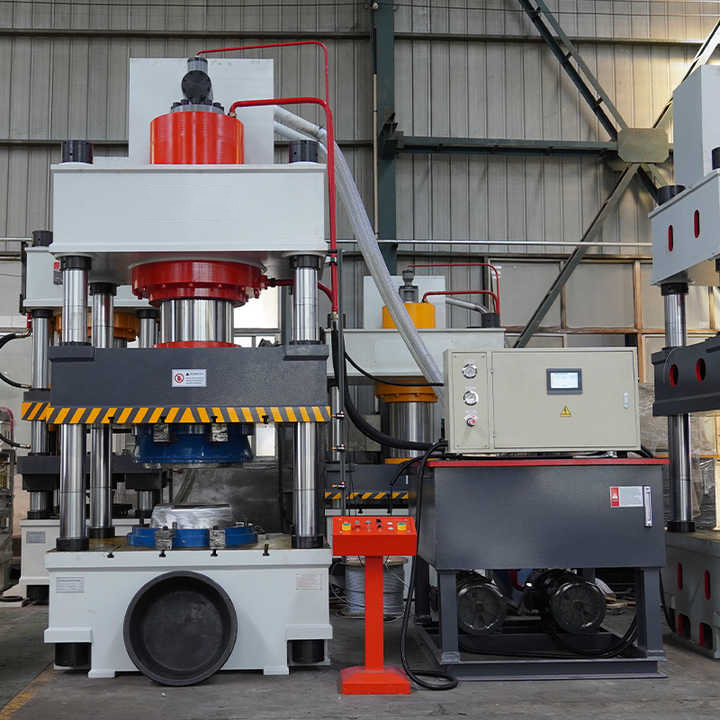
In the realm of industrial manufacturing, hydraulic presses play a critical role in shaping and forming materials. These machines rely on hydraulic power to exert force, making them indispensable for various operations such as stamping, forging, and molding. As the demand for precision and efficiency in these processes continues to rise, the integration of **polymer composites** has emerged as a game-changer. This article delves into the ways polymer composites enhance hydraulic press operations, leading to improved productivity and reduced operational costs.
The Importance of Enhancing Productivity in Hydraulic Operations
Enhancing productivity is vital for any business aiming to remain competitive. In hydraulic operations, increased efficiency translates to quicker turnaround times, reduced waste, and the ability to meet growing customer demands. By leveraging advanced materials such as polymer composites, manufacturers can streamline their processes, leading to significant gains in productivity. Moreover, as industries face rising energy costs and environmental regulations, the need for sustainable solutions has never been more pressing.
What Are Polymer Composites?
Polymer composites are materials made from a polymer matrix combined with reinforcing agents, such as fibers or particles, to enhance their mechanical properties. This combination results in materials that are lightweight, strong, and resistant to various environmental factors. Common examples of polymer composites include fiberglass, carbon fiber-reinforced polymers, and aramid fibers. Their unique characteristics make them ideal for applications in hydraulic presses, where strength-to-weight ratio and durability are paramount.
Key Benefits of Polymer Composites in Hydraulic Presses
1. **Weight Reduction**: One of the most significant advantages of polymer composites is their lightweight nature. Reducing the overall weight of hydraulic components leads to lower energy consumption and enhanced machine performance.
2. **Corrosion Resistance**: Unlike traditional metals, polymer composites are resistant to corrosion, which ensures longevity and reduces maintenance costs.
3. **Higher Strength-to-Weight Ratio**: Polymer composites provide exceptional strength without the associated weight of metals, allowing for more efficient hydraulic press designs.
4. **Thermal Stability**: These materials can withstand extreme temperatures, making them suitable for high-performance hydraulic applications.
5. **Enhanced Design Flexibility**: The versatility of polymer composites allows manufacturers to create complex shapes and designs that were previously challenging with metal components.
Applications of Polymer Composites in Hydraulic Machinery
Polymer composites find various applications within hydraulic machinery. Some notable examples include:
- **Pistons and Cylinders**: Using polymer composites in pistons and cylinders reduces weight while maintaining the necessary strength for hydraulic operations.
- **Seals and Gaskets**: Polymer composite seals are more durable and resistant to degradation, enhancing the overall efficiency of hydraulic systems.
- **Structural Components**: Reinforced composite materials can be used in the structural framework of hydraulic presses, contributing to a more robust and efficient design.
- **Hoses and Tubing**: Lightweight and flexible composite materials in hoses and tubing improve fluid dynamics and reduce energy loss.
Improving Performance with Polymer Composites
The integration of polymer composites into hydraulic press operations leads to tangible improvements in overall performance. **Reduced wear and tear** on components translates to lower maintenance requirements, while the **enhanced strength** of these materials allows for higher operational pressures, thereby increasing productivity.
Moreover, the **energy efficiency** gained from lighter components reduces the overall power consumption of hydraulic systems, aligning with the industry's push toward more sustainable manufacturing practices.
Challenges in Implementing Polymer Composites
Despite the numerous benefits, there are challenges associated with the implementation of polymer composites in hydraulic presses. Some of these challenges include:
- **Cost of Materials**: High-quality polymer composites can be expensive compared to traditional materials, which may deter some manufacturers from adopting them.
- **Processing Techniques**: The manufacturing processes for polymer composites can be complex and may require specialized equipment and training.
- **Performance Variability**: The performance of polymer composites can vary significantly based on their formulation and the manufacturing process used, necessitating rigorous testing and quality control.
Future Trends in Polymer Composites and Hydraulic Press Technology
As technology continues to evolve, the future of polymer composites in hydraulic press operations looks promising. Emerging trends include:
- **Nanocomposites**: The development of nanocomposite materials, which incorporate nanoparticles into the polymer matrix, is expected to enhance the mechanical properties of composites even further.
- **Sustainability Initiatives**: Efforts to develop bio-based and recyclable polymer composites are on the rise, aligning with global sustainability goals.
- **Smart Materials**: The integration of sensors and smart technologies within polymer composites can provide real-time monitoring of hydraulic press operations, leading to improved maintenance strategies and reduced downtime.
Conclusion
Incorporating polymer composites into hydraulic press operations presents an opportunity for manufacturers to enhance productivity while addressing the challenges of modern industrial demands. The benefits of weight reduction, corrosion resistance, and improved design flexibility signify a substantial leap forward for hydraulic machinery. As technology advances and more sustainable materials become available, the integration of polymer composites will likely continue to shape the future of hydraulic operations, driving innovation and efficiency across various manufacturing sectors.
Frequently Asked Questions
1. What are polymer composites used for in hydraulic presses?
Polymer composites are used for various components in hydraulic presses, including pistons, seals, and structural elements to improve strength, reduce weight, and enhance durability.
2. How do polymer composites improve the efficiency of hydraulic presses?
By being lightweight and corrosion-resistant, polymer composites reduce energy consumption and maintenance costs, leading to more efficient hydraulic operations.
3. Are polymer composites more expensive than traditional materials?
While high-quality polymer composites can be more expensive than traditional materials, their long-term benefits often justify the initial investment.
4. Can polymer composites withstand high temperatures in hydraulic applications?
Yes, many polymer composites are designed to withstand extreme temperatures, making them suitable for high-performance hydraulic operations.
5. What are the future trends for polymer composites in hydraulic machinery?
Future trends include the development of nanocomposites, enhanced sustainability initiatives, and the integration of smart technologies for real-time monitoring and performance optimization.
Hot Tags:
PREVIOUS:
Contact Us
E-mail:
tender701@gmail.com
tender701@163.com
Phone/WhatsApp:
+86 137 9243 6835
Address:
Huangshan Economic Zone, Huangdao, Qingdao,China
