Professional manufacturer with the design, development and production of rubber and plastic machinery

Understanding the Functionality of Three Rollers Rubber Calender in Industry
Apr 02,2026
Understanding the Functionality of Three Rollers Rubber Calender in Industry
Introduction to Rubber Calenders
The rubber industry relies heavily on advanced machinery to enhance productivity and quality. Among the essential tools is the **three rollers rubber calender**, a sophisticated device designed to process rubber and create various products. This article will explore the functionality, significance, and applications of three rollers rubber calenders in the industry.
What is a Three Rollers Rubber Calender?
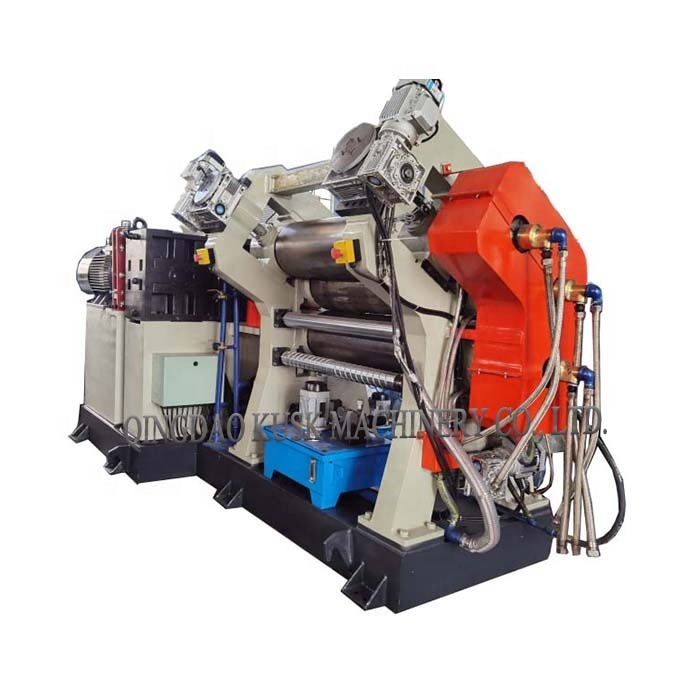
A **three rollers rubber calender** is a specialized machine used to convert rubber into sheets or films. It consists of three horizontal rollers, each with a specific function in the manufacturing process. The rollers work in unison to knead, stretch, and smooth the rubber material, resulting in a uniform product suitable for various applications.
The Structure of the Three Rollers Rubber Calender
Understanding the structure of the three rollers rubber calender is crucial for grasping its functionality. The machine comprises the following key components:
1. **Rollers**: The heart of the calender, these cylindrical components are typically made from high-quality steel and are precisely engineered to withstand high pressure and wear. The arrangement of the rollers—often with varying diameters—allows for controlled processing of the rubber.
2. **Feeding Mechanism**: This component is responsible for introducing raw rubber materials into the calender. It usually consists of a hopper and a conveyor system that ensures a steady flow of material.
3. **Control System**: Modern three rollers rubber calenders are equipped with advanced control systems that allow operators to adjust temperature, pressure, and roller speed, optimizing the processing conditions for different rubber formulations.
How Does a Three Rollers Rubber Calender Work?
The operation of a three rollers rubber calender involves several key steps:
1. **Feeding the Raw Material**: Rubber granules or pre-mixed compounds are fed into the calender through the feeding mechanism.
2. **Kneading and Mixing**: As the rollers turn, they apply pressure to the rubber material, kneading it and ensuring a uniform mix. This step is critical for achieving consistent quality in the final product.
3. **Thickness Control**: The distance between the rollers can be adjusted to achieve the desired thickness of the rubber sheet or film. This is an essential feature that allows manufacturers to produce products that meet specific requirements.
4. **Cooling and Cutting**: Once the rubber has been processed, it typically passes through a cooling section where it is allowed to solidify. After cooling, the rubber sheet can be cut into the desired dimensions for various applications.
Applications of Three Rollers Rubber Calenders
Three rollers rubber calenders play a significant role in various industries. Here are some notable applications:
1. Manufacturing Rubber Sheets
One of the primary uses of three rollers rubber calenders is the production of rubber sheets. These sheets are essential in manufacturing tires, gaskets, seals, and various other products.
2. Creating Rubber Films
In addition to sheets, calenders can produce thin rubber films used in applications such as electrical insulation and protective coatings. The precision of the calender allows manufacturers to create films with specific thicknesses and properties.
3. Producing Composite Materials
Three rollers rubber calenders are also utilized in the production of composite materials that combine rubber with other substances, enhancing properties like durability and flexibility.
The Advantages of Using a Three Rollers Rubber Calender
Employing a three rollers rubber calender offers numerous advantages for manufacturers:
1. High Efficiency
The three rollers configuration allows for continuous processing, significantly increasing production rates compared to other methods. This efficiency translates to lower operational costs and faster turnaround times.
2. Consistent Quality
The precise control of roller spacing and temperature ensures that the final products maintain consistent thickness and quality, which is crucial for meeting industry standards.
3. Versatility
Three rollers rubber calenders can process various rubber formulations, including natural rubber, synthetic rubber, and recycled materials. This versatility makes them ideal for manufacturers looking to expand their product offerings.
4. Improved Material Properties
The kneading action of the calender enhances the dispersion of additives within the rubber, improving its mechanical properties and performance characteristics.
Factors to Consider When Choosing a Three Rollers Rubber Calender
When selecting a three rollers rubber calender, several factors should be taken into account:
1. Roller Material and Design
Opt for calenders with high-quality steel rollers that are designed for durability and resistance to wear. The design should facilitate easy maintenance and cleaning.
2. Control System
A sophisticated control system enhances the machine's functionality, allowing for precise adjustments during operation. Look for calenders with user-friendly interfaces and automated features.
3. Production Capacity
Consider the production capacity of the calender, ensuring it aligns with your manufacturing needs. High-capacity models are ideal for large-scale operations.
4. Energy Efficiency
Energy-efficient calenders not only lower operational costs but also contribute to sustainability, a growing concern in the industry.
Maintenance Tips for Three Rollers Rubber Calenders
Proper maintenance is essential to ensure the longevity and efficiency of a three rollers rubber calender. Here are some maintenance tips:
1. Regular Cleaning
Keep the calender clean by removing any rubber residue after each production run. This prevents contamination and ensures consistent product quality.
2. Lubrication
Regularly lubricate moving parts to reduce friction and wear. This practice extends the machine's lifespan and enhances its operational efficiency.
3. Inspect Rollers
Routine inspections of the rollers for signs of damage or wear are crucial. Address any issues promptly to avoid costly downtime.
4. Monitor Temperature and Pressure
Keep an eye on the temperature and pressure settings during operation. Deviations can affect product quality and lead to equipment malfunction.
Future Trends in Rubber Calendering Technology
The rubber processing industry is poised for significant advancements in technology. Here are some future trends to watch:
1. Automation and Smart Technology
The integration of automation and smart technology will enhance the operational efficiency of rubber calenders. Predictive maintenance and real-time monitoring will become more common.
2. Eco-Friendly Practices
As sustainability becomes a focal point, the industry is likely to see increased demand for eco-friendly materials and processes, prompting manufacturers to adapt their equipment accordingly.
3. Advanced Materials
Ongoing research into advanced materials may lead to new formulations that require specialized calendering techniques, driving innovation in machinery design.
FAQs About Three Rollers Rubber Calenders
1. What is the primary function of a three rollers rubber calender?
The primary function of a three rollers rubber calender is to process rubber materials into sheets, films, or composite materials by kneading and smoothing the rubber.
2. How does the three rollers configuration benefit the manufacturing process?
The three rollers configuration allows for continuous processing, improved efficiency, and consistent quality, making it ideal for high-volume production.
3. What materials can be processed using a three rollers rubber calender?
A three rollers rubber calender can process various materials, including natural rubber, synthetic rubber, and recycled rubber compounds.
4. How can manufacturers ensure the longevity of a rubber calender?
Manufacturers can ensure the longevity of a rubber calender through regular maintenance, including cleaning, lubrication, and routine inspections of the rollers.
5. What are the environmental impacts of using rubber calenders?
While rubber calenders themselves may have minimal direct environmental impacts, the industry is shifting towards more sustainable practices, including using recycled materials and reducing energy consumption.
Conclusion
The three rollers rubber calender is an indispensable device in the rubber processing industry. Its ability to efficiently produce uniform rubber sheets and films makes it a critical component for manufacturers looking to enhance their productivity and product quality. By understanding its functionality, applications, and maintenance requirements, industry professionals can leverage this technology to meet evolving market demands and drive innovation in rubber processing. As advancements in technology continue to shape the industry, embracing the benefits of three rollers rubber calenders will remain essential for staying competitive in the market.
Hot Tags:
PREVIOUS:

Contact Us
E-mail:
tender701@gmail.com
tender701@163.com
Phone/WhatsApp:
+86 137 9243 6835
Address:
Huangshan Economic Zone, Huangdao, Qingdao,China
