Professional manufacturer with the design, development and production of rubber and plastic machinery

Overcoming Common Challenges in Rubber Compounding with Banbury Mixers
Mar 29,2026
Introduction to Rubber Compounding: Navigating Common Challenges
Rubber compounding is a crucial process in the rubber industry, playing a significant role in determining the performance and quality of rubber products. However, this complex operation is not without its challenges. From achieving consistent material properties to optimizing processing efficiency, rubber manufacturers face a myriad of obstacles. In this article, we will explore these common challenges and illustrate how Banbury mixers are engineered to tackle them effectively.
Understanding Rubber Compounding: The Basics
Rubber compounding involves mixing raw rubber with various additives to enhance its properties for specific applications. This includes improving durability, flexibility, and resistance to environmental factors. The compounds used can range from carbon black and sulfur to accelerators and processing oils. Each additive plays a pivotal role in determining the final characteristics of the rubber.
Common Challenges in Rubber Compounding
Despite advancements in technology, many manufacturers still encounter significant challenges during the rubber compounding process. Here are some of the most prevalent issues:
1. Material Consistency and Homogeneity
Achieving uniformity in the rubber mixture is essential for maintaining product quality. Inconsistent distribution of additives can lead to variations in performance, affecting everything from elasticity to tensile strength. Without proper mixing equipment, achieving homogeneity becomes increasingly difficult.
2. Efficient Mixing and Processing Times
Time is a critical factor in production. Traditional mixing methods often result in longer processing times, which can lead to increased costs and reduced throughput. Manufacturers need to find a solution that balances efficiency with maintaining the integrity of the materials.
3. Managing Heat Generation
Heat generation during mixing is a natural occurrence but can be detrimental to the rubber's properties. Excessive heat can lead to premature curing or degradation of the materials, resulting in inferior products. It is essential to manage and control the temperature throughout the mixing process.
4. Variability in Raw Materials
The quality of raw materials can vary significantly, affecting the final compound's performance. Inconsistent raw material properties can lead to unpredictable results, making it challenging to produce a reliable end product. Manufacturers must adapt their processes to accommodate these variations.
5. Environmental and Regulatory Compliance
With increasing focus on environmental sustainability, rubber manufacturers face pressure to comply with stringent regulations. This includes managing chemical emissions and ensuring that the products meet safety standards. Failure to adhere to these regulations can result in legal repercussions and damage to a company's reputation.
Banbury Mixers: The Solution to Compounding Challenges
Banbury mixers have gained a reputation as an industry-standard solution for addressing the challenges faced in rubber compounding. With their innovative design and advanced technology, they offer numerous benefits that can significantly enhance the mixing process.
1. Superior Mixing Capability
Banbury mixers are engineered to provide exceptional mixing capabilities. Their unique design allows for intensive mixing, ensuring that all components are evenly distributed throughout the rubber compound. This results in superior homogeneity, eliminating the risk of inconsistencies that can compromise product quality.
Understanding the Mechanics of Banbury Mixers
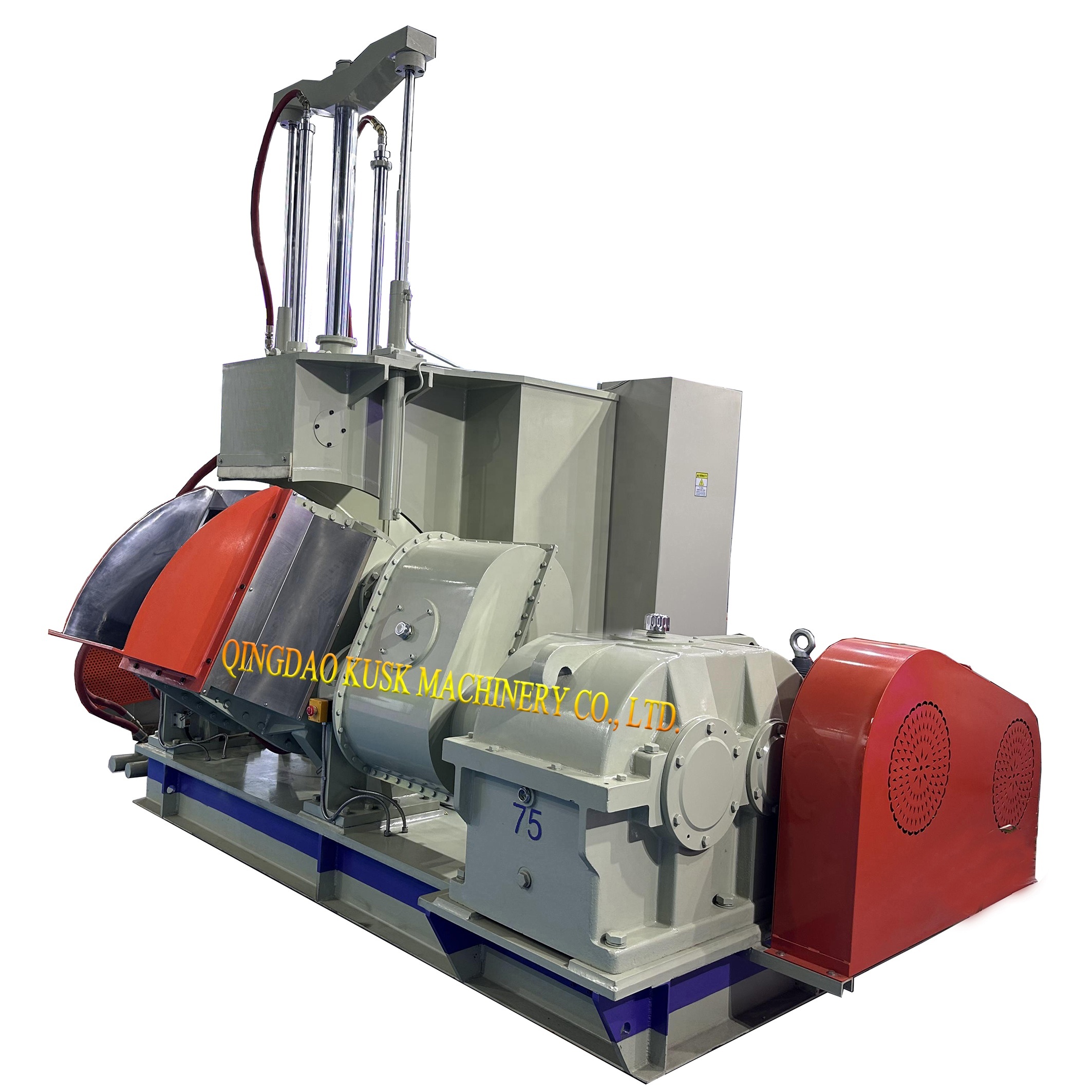
The heart of the Banbury mixer lies in its two counter-rotating rotors, which create a powerful shear force. This force efficiently breaks down materials and integrates them into the rubber matrix, ensuring a consistent mixture. The mixing chamber is also designed to minimize material wastage, further enhancing efficiency.
2. Enhanced Processing Efficiency
With the ability to mix materials quickly and thoroughly, Banbury mixers significantly reduce processing times. This efficiency not only increases production capacity but also lowers operational costs. Manufacturers can achieve better output without compromising the quality of the rubber compounds.
3. Temperature Control Features
Banbury mixers are equipped with advanced temperature control systems that allow for precise management of heat generation during mixing. By maintaining optimal temperatures, these mixers prevent unwanted curing and degradation of materials, ensuring that the rubber maintains its desired properties.
4. Flexibility in Material Handling
The adaptability of Banbury mixers allows manufacturers to work with a diverse range of raw materials. They can accommodate varying viscosities and compositions, making it easier to adjust to the fluctuations in raw material quality. This flexibility enables manufacturers to maintain consistent product quality despite variations in input materials.
5. Compliance with Environmental Standards
Modern Banbury mixers are designed with environmental considerations in mind. They can be equipped with features that minimize emissions and reduce energy consumption, helping companies comply with environmental regulations while also enhancing sustainability efforts.
Key Benefits of Using Banbury Mixers in Rubber Compounding
Implementing Banbury mixers in the rubber compounding process offers several advantages that can significantly improve production quality and efficiency.
1. Improved Product Quality
The combination of superior mixing capabilities and enhanced temperature control leads to a more consistent and high-quality rubber product. Manufacturers can ensure that their end products meet the necessary performance standards, resulting in increased customer satisfaction.
2. Cost Efficiency
With reduced processing times and minimized material wastage, Banbury mixers contribute to overall cost savings. Manufacturers can produce more rubber compounds in less time, leading to increased profitability.
3. Enhanced Operational Flexibility
The ability to handle a wide range of materials and adjust to varying production demands makes Banbury mixers an invaluable asset for manufacturers. This flexibility allows companies to respond quickly to market changes and customer requirements.
4. Sustainable Production Practices
By incorporating energy-efficient technologies and minimizing waste, Banbury mixers help manufacturers adopt more sustainable practices. This not only benefits the environment but also enhances the company's reputation in an increasingly eco-conscious market.
Real-World Applications: Success Stories with Banbury Mixers
Numerous companies across the globe have successfully integrated Banbury mixers into their rubber compounding processes. Here are a few notable examples:
1. Automotive Industry Innovations
In the automotive industry, rubber components must meet stringent safety and performance standards. A leading tire manufacturer implemented Banbury mixers to enhance the quality and consistency of their rubber compounds. As a result, they achieved significant reductions in production times and improved product performance.
2. Industrial Applications
A manufacturer of industrial rubber goods faced challenges with material consistency and processing efficiency. By switching to Banbury mixers, they enhanced their mixing capabilities, resulting in greater product uniformity and reduced waste. This change led to substantial cost savings and improved product reliability.
3. Medical Device Manufacturing
In the medical device sector, precision and compliance with regulations are paramount. A company producing rubber components for medical applications utilized Banbury mixers to achieve the necessary homogeneity and control over material properties. This not only improved their product quality but also facilitated compliance with industry regulations.
Frequently Asked Questions (FAQs)
1. What makes Banbury mixers different from traditional mixers?
Banbury mixers offer superior mixing capabilities due to their unique design, which allows for intensive mixing and better material integration compared to traditional mixers.
2. How do Banbury mixers manage heat during the mixing process?
Banbury mixers are equipped with advanced temperature control systems that allow for precise management of heat generation, preventing material degradation and ensuring optimal mixing conditions.
3. Can Banbury mixers handle different types of rubber compounds?
Yes, Banbury mixers are highly adaptable and can accommodate a wide range of raw materials, making them suitable for diverse rubber compounding applications.
4. What are the environmental benefits of using Banbury mixers?
Banbury mixers can be designed to minimize emissions and reduce energy consumption, helping manufacturers adopt more sustainable practices and comply with environmental regulations.
5. How can I determine if a Banbury mixer is right for my production needs?
Assess your production requirements, including the types of materials used and your desired output. Consulting with a supplier can help you evaluate whether a Banbury mixer is the best fit for your operations.
Conclusion: Elevating Rubber Compounding with Banbury Mixers
The challenges faced in rubber compounding are significant, but with the right equipment, these hurdles can be effectively managed. Banbury mixers stand out as a powerful solution, offering exceptional mixing capabilities, enhanced processing efficiency, and the ability to maintain high product quality. By investing in Banbury mixers, manufacturers can overcome common compounding challenges, streamline their operations, and produce superior rubber products that meet the demands of today's market. Embracing this advanced technology not only fosters operational excellence but also positions companies for future growth in the competitive rubber industry.
Hot Tags:
PREVIOUS:

Contact Us
E-mail:
tender701@gmail.com
tender701@163.com
Phone/WhatsApp:
+86 137 9243 6835
Address:
Huangshan Economic Zone, Huangdao, Qingdao,China
