Professional manufacturer with the design, development and production of rubber and plastic machinery

Understanding the Role of Internal Rubber Kneaders in Chemical Rubber Processing
Mar 18,2026
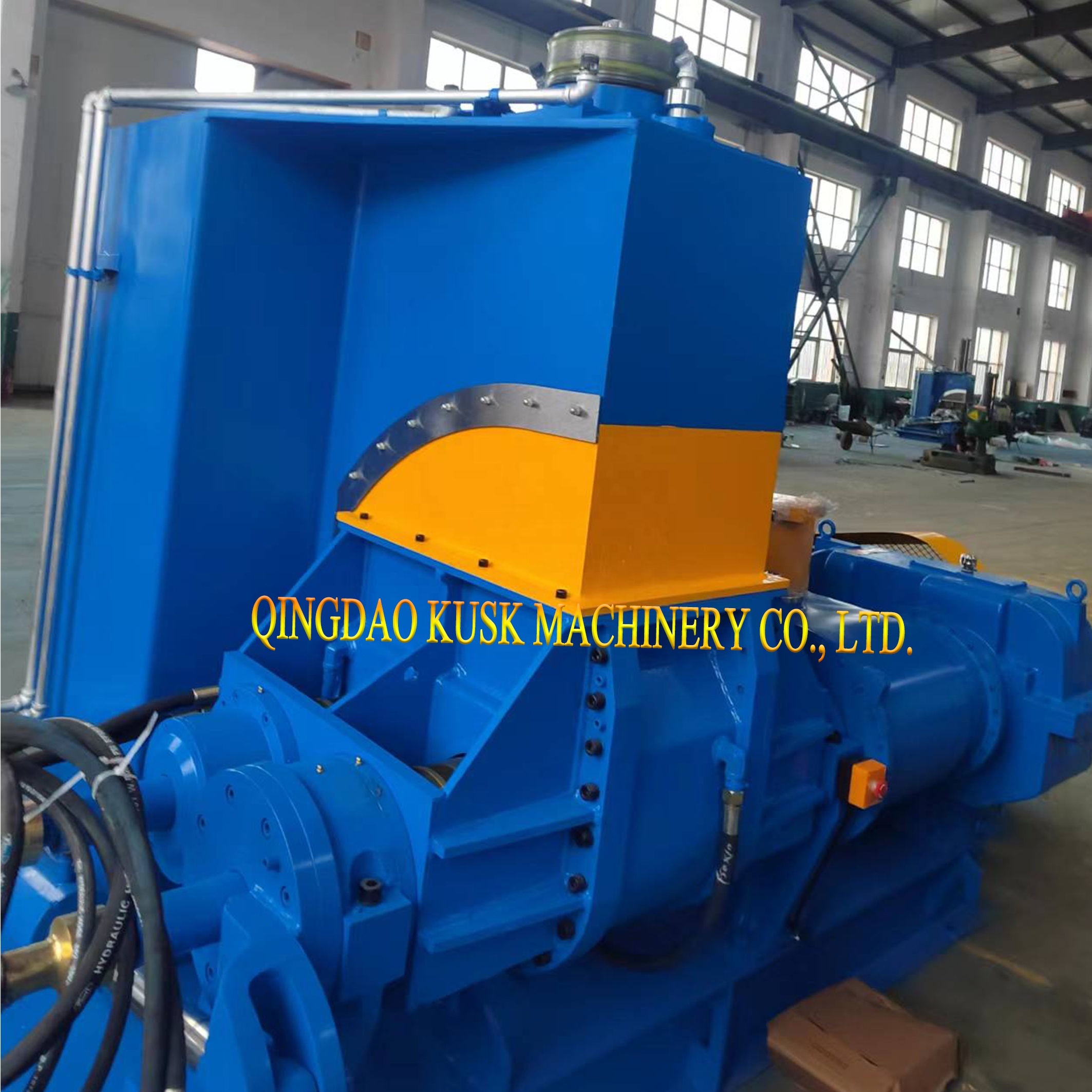
Internal Rubber Kneaders are essential machines in the rubber processing industry, particularly for the blending and compounding of rubber materials. These machines provide a controlled environment to mix raw rubber with additives, ensuring a homogeneous blend that meets the specific requirements of various applications. The design and functionality of Internal Rubber Kneaders make them a popular choice among manufacturers looking to enhance product quality and operational efficiency.
The primary function of an Internal Rubber Kneader is to knead and mix rubber compounds effectively. The machine consists of two intermeshing rotors housed in a chamber, where the raw materials are introduced. The unique geometry of the rotors facilitates efficient shear and dispersive mixing, which is crucial for achieving the desired viscosity and uniformity in the final product. The machine operates under controlled temperature and pressure conditions, allowing for the precise formulation of rubber compounds.
One of the key advantages of using Internal Rubber Kneaders is their ability to process small to medium batch sizes with high consistency. This is particularly beneficial for manufacturers who require flexibility in their production processes. Additionally, the machine's design minimizes material degradation, ensuring that the properties of the rubber are preserved during processing. As a result, manufacturers can achieve better mechanical properties in their final products, enhancing durability and performance.
Furthermore, Internal Rubber Kneaders are equipped with advanced control systems that allow for real-time monitoring of the mixing process. This feature enables operators to make adjustments on-the-fly, ensuring that the compound meets the desired specifications. The integration of automation in these machines also contributes to higher productivity levels, reducing labor costs and minimizing the risk of human error.
Another important aspect to consider is the maintenance of Internal Rubber Kneaders. Regular maintenance is crucial for ensuring the longevity and efficiency of the machine. This includes routine checks of the rotors, chamber, and control systems, as well as the lubrication of moving parts. Proper maintenance practices not only extend the life of the equipment but also enhance safety in the workplace.
In conclusion, Internal Rubber Kneaders play a pivotal role in the rubber processing industry, offering a blend of efficiency, flexibility, and precision. Their ability to produce high-quality rubber compounds makes them an invaluable investment for manufacturers looking to optimize their production processes. Understanding the operational principles and maintenance requirements of Internal Rubber Kneaders can lead to improved productivity and product quality in the competitive landscape of rubber processing.
The primary function of an Internal Rubber Kneader is to knead and mix rubber compounds effectively. The machine consists of two intermeshing rotors housed in a chamber, where the raw materials are introduced. The unique geometry of the rotors facilitates efficient shear and dispersive mixing, which is crucial for achieving the desired viscosity and uniformity in the final product. The machine operates under controlled temperature and pressure conditions, allowing for the precise formulation of rubber compounds.
One of the key advantages of using Internal Rubber Kneaders is their ability to process small to medium batch sizes with high consistency. This is particularly beneficial for manufacturers who require flexibility in their production processes. Additionally, the machine's design minimizes material degradation, ensuring that the properties of the rubber are preserved during processing. As a result, manufacturers can achieve better mechanical properties in their final products, enhancing durability and performance.
Furthermore, Internal Rubber Kneaders are equipped with advanced control systems that allow for real-time monitoring of the mixing process. This feature enables operators to make adjustments on-the-fly, ensuring that the compound meets the desired specifications. The integration of automation in these machines also contributes to higher productivity levels, reducing labor costs and minimizing the risk of human error.
Another important aspect to consider is the maintenance of Internal Rubber Kneaders. Regular maintenance is crucial for ensuring the longevity and efficiency of the machine. This includes routine checks of the rotors, chamber, and control systems, as well as the lubrication of moving parts. Proper maintenance practices not only extend the life of the equipment but also enhance safety in the workplace.
In conclusion, Internal Rubber Kneaders play a pivotal role in the rubber processing industry, offering a blend of efficiency, flexibility, and precision. Their ability to produce high-quality rubber compounds makes them an invaluable investment for manufacturers looking to optimize their production processes. Understanding the operational principles and maintenance requirements of Internal Rubber Kneaders can lead to improved productivity and product quality in the competitive landscape of rubber processing.
Hot Tags:
PREVIOUS:

Contact Us
E-mail:
tender701@gmail.com
tender701@163.com
Phone/WhatsApp:
+86 137 9243 6835
Address:
Huangshan Economic Zone, Huangdao, Qingdao,China
