Professional manufacturer with the design, development and production of rubber and plastic machinery

The Future of Rubber Production: Vacuum Rubber Vulcanizing Press Insights
Mar 07,2026
The Future of Rubber Production: Vacuum Rubber Vulcanizing Press Insights
Introduction to Rubber Production and Vulcanization
Rubber is an essential material in various industries, from automotive to consumer goods. The process of transforming raw rubber into a usable product is known as vulcanization. This chemical process involves the addition of sulfur, which enhances the rubber's elasticity, durability, and heat resistance. As we move further into the 21st century, the production methods and technologies used in rubber manufacturing are evolving rapidly. Among these advancements, **vacuum rubber vulcanizing presses** are at the forefront, promising significant improvements in efficiency and product quality.
The Mechanics of Vacuum Rubber Vulcanizing Presses
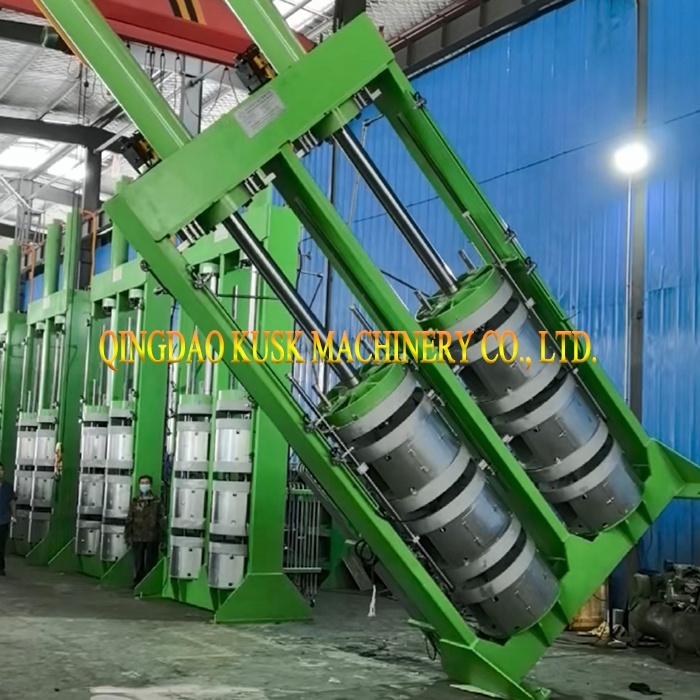
Vacuum rubber vulcanizing presses operate on the principle of creating a vacuum environment during the vulcanization process. This innovative approach offers several advantages over traditional methods.
How Vacuum Presses Work
In a standard vulcanization process, the presence of air can lead to defects in the rubber product—such as bubbles or inconsistencies. Vacuum presses eliminate air from the system, allowing for even distribution of heat and pressure. This results in a more uniform product and minimizes the occurrence of defects.
Key Components of Vacuum Rubber Vulcanizing Presses
1. **Heating Plates**: These plates provide controlled heat, essential for effective vulcanization.
2. **Vacuum Chamber**: This is where the raw rubber is placed under vacuum conditions.
3. **Hydraulic System**: It applies the necessary pressure to mold the rubber into shape.
4. **Temperature Control Unit**: It ensures that the heating plates maintain the desired temperature throughout the process.
Benefits of Using Vacuum Rubber Vulcanizing Presses
The adoption of vacuum rubber vulcanizing presses brings several advantages that can enhance overall rubber production.
Improved Product Quality
With a vacuum environment, the risk of air bubbles and other defects is significantly reduced, leading to higher-quality end products.
Enhanced Material Properties
Vacuum processing allows for better incorporation of additives and fillers, resulting in improved mechanical properties such as tensile strength, elasticity, and durability.
Energy Efficiency
These presses are designed to be energy-efficient, often requiring less power than traditional vulcanizing methods while delivering superior results.
Faster Production Cycles
The efficiency of vacuum presses leads to quicker cycle times, meaning manufacturers can produce more rubber products in less time.
Emerging Trends in Rubber Production
The rubber industry is experiencing rapid changes influenced by technological advancements and shifting market demands.
Sustainability Initiatives
As consumers and regulators increasingly demand sustainable practices, rubber manufacturers are exploring eco-friendly materials and processes. Vacuum rubber vulcanizing presses can accommodate various sustainable rubber formulations, supporting industry-wide efforts toward greener production.
Integration of Digital Technologies
The advent of Industry 4.0 is changing how rubber production operates. Incorporating IoT and AI technologies into vacuum rubber vulcanizing presses enables real-time monitoring, predictive maintenance, and data-driven decision-making, ultimately enhancing efficiency and reducing downtime.
Comparative Analysis: Vacuum Presses vs. Traditional Methods
To understand the significance of vacuum rubber vulcanizing presses, a comparative analysis with traditional vulcanizing methods is crucial.
Traditional Vulcanizing Techniques
Traditional methods often involve open molds and atmospheric pressure, which can introduce air and contaminants into the rubber, leading to quality issues. These methods typically require longer cycle times and higher energy consumption.
Vacuum Vulcanizing Advantages
1. **Quality Control**: Vacuum presses produce more uniform and defect-free products.
2. **Cycle Efficiency**: Reduced cycle times translate to increased productivity.
3. **Energy Savings**: Lower energy consumption is another significant advantage.
Industry Applications of Vacuum Rubber Vulcanizing Presses
The versatility of vacuum rubber vulcanizing presses allows them to be utilized across various applications.
Automotive Industry
In the automotive sector, vacuum presses are used to manufacture high-performance rubber parts, such as tires, seals, and gaskets. The enhanced material properties achieved through vacuum processing are crucial for meeting stringent safety and performance standards.
Consumer Goods
From household items to sports equipment, vacuum vulcanized rubber offers superior durability and functionality. Manufacturers in this sector benefit from the improved quality and consistency of their products.
Challenges Facing the Rubber Industry
Despite the advancements in rubber production, several challenges remain.
Raw Material Availability
The availability and cost of natural rubber continue to fluctuate, impacting production capabilities. Manufacturers must explore alternative sourcing methods and materials.
Regulatory Compliance
As environmental regulations become stricter, rubber producers face increased scrutiny over their manufacturing processes. The shift toward sustainable practices is essential for compliance and consumer trust.
The Future Landscape of Rubber Manufacturing
Looking ahead, the rubber manufacturing landscape will likely continue to evolve, driven by technological advancements and market demands.
Adoption of Advanced Materials
The introduction of advanced materials, including bio-based and synthetic alternatives, will shape future rubber production. Vacuum rubber vulcanizing presses will play a crucial role in processing these materials, ensuring they meet quality standards.
Automation and Robotics
The integration of automation and robotics into rubber production will streamline processes, reduce labor costs, and enhance efficiency. Vacuum vulcanizing presses will be key components in fully automated production lines.
Frequently Asked Questions (FAQs)
1. What is the difference between traditional vulcanizing and vacuum vulcanizing?
Vacuum vulcanizing eliminates air from the process, reducing defects and improving product quality compared to traditional methods, which can introduce air and contaminants.
2. How do vacuum rubber vulcanizing presses enhance production efficiency?
These presses reduce cycle times and energy consumption while producing higher quality products, leading to overall increased productivity.
3. What industries benefit most from vacuum rubber vulcanizing presses?
Key industries include automotive, consumer goods, and aerospace, where high-quality rubber components are essential.
4. Are vacuum rubber vulcanizing presses environmentally friendly?
While they improve efficiency and product quality, their environmental impact depends on the energy sources used and whether sustainable materials are incorporated into the rubber formulations.
5. What are the future trends in rubber production?
Future trends include advancements in material science, increased automation, and a greater focus on sustainability in manufacturing practices.
Conclusion
The future of rubber production is undoubtedly bright, with vacuum rubber vulcanizing presses leading the charge toward enhanced efficiency, quality, and sustainability. As the industry adapts to changing market demands, these innovative machines will play a crucial role in shaping the next generation of rubber manufacturing. By embracing technology and sustainability, manufacturers can not only meet but exceed consumer expectations, paving the way for a prosperous future in rubber production.
Hot Tags:
PREVIOUS:

Contact Us
E-mail:
tender701@gmail.com
tender701@163.com
Phone/WhatsApp:
+86 137 9243 6835
Address:
Huangshan Economic Zone, Huangdao, Qingdao,China
