Professional manufacturer with the design, development and production of rubber and plastic machinery

Exploring the Different Types of Vacuum Rubber Vulcanizing Presses: A Comprehensive Guide
Jun 29,2026
Exploring the Different Types of Vacuum Rubber Vulcanizing Presses
Introduction to Vacuum Rubber Vulcanizing Presses
The rubber industry is pivotal in numerous sectors, including automotive, aerospace, and consumer goods. Among the myriad of processes involved in rubber production, **vulcanization** stands out as a crucial method for enhancing the properties of rubber. At the heart of this process are **vacuum rubber vulcanizing presses**. These machines not only optimize the vulcanization process but also improve product quality. In this article, we will explore the various types of vacuum rubber vulcanizing presses available in the market, their functionalities, and how they contribute to the rubber processing industry.
Understanding Vulcanization: The Process Explained
Vulcanization is the chemical process that transforms raw rubber into a durable and elastic material. By introducing sulfur or other curatives to raw rubber and applying heat and pressure, the rubber undergoes a series of chemical reactions that cross-link the polymer chains. This results in enhanced strength, elasticity, and resistance to environmental factors. Given the importance of this process, investing in an efficient vacuum rubber vulcanizing press is essential for manufacturers looking to produce high-quality rubber products.
The Importance of Vacuum in Rubber Vulcanization
Vacuum plays a critical role in the vulcanization process. By removing air from the vulcanizing chamber, manufacturers can prevent the formation of bubbles or voids within the rubber, leading to a more consistent and high-quality product. Vacuum environments also facilitate better heat transfer and ensure that the curing agents are evenly distributed throughout the material. This results in enhanced physical properties and a longer-lasting final product.
Types of Vacuum Rubber Vulcanizing Presses
There are several types of vacuum rubber vulcanizing presses designed to meet various manufacturing needs. Each type has its unique features and advantages, making them suitable for specific applications.
1. Hydraulic Vacuum Rubber Vulcanizing Presses
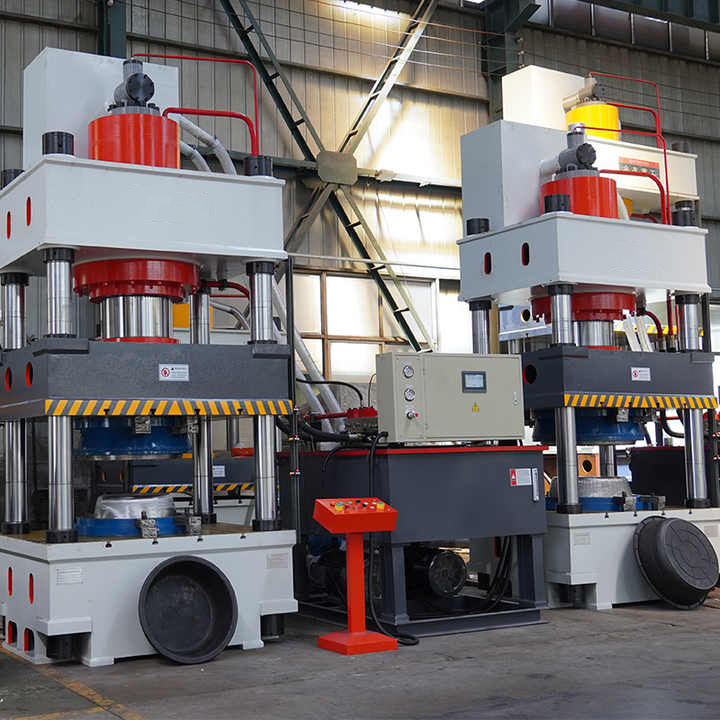
**Hydraulic vacuum rubber vulcanizing presses** are among the most common types used in the industry. Utilizing hydraulic pressure, these machines apply force uniformly across the rubber material, ensuring consistent vulcanization. Some key features include:
- **High Pressure and Temperature Control**: Allows for precise adjustments during the vulcanization process.
- **Durability**: Built to withstand the demands of continuous operation.
- **Versatility**: Suitable for various rubber products, from tires to seals.
2. Electric Vacuum Rubber Vulcanizing Presses
**Electric vacuum rubber vulcanizing presses** utilize electric heating elements to achieve the necessary temperatures for vulcanization. These presses are known for their energy efficiency and ease of use. Key benefits include:
- **Energy Saving**: Consumes less power compared to other types.
- **Quick Heat-Up Times**: Reduces production downtime.
- **User-Friendly Controls**: Simplifies operation for the operator.
3. Pneumatic Vacuum Rubber Vulcanizing Presses
**Pneumatic vacuum rubber vulcanizing presses** use compressed air for operation. These presses are particularly advantageous for smaller production runs or specialized applications. Notable characteristics include:
- **Cost-Effective**: Typically lower initial investment compared to hydraulic presses.
- **Compact Size**: Suitable for limited workspace environments.
- **Easy Maintenance**: Fewer mechanical components lead to reduced maintenance needs.
4. Multi-Layer Vacuum Rubber Vulcanizing Presses
For manufacturers producing complex rubber products, **multi-layer vacuum rubber vulcanizing presses** provide an effective solution. These presses allow for the simultaneous vulcanization of multiple layers of rubber. Advantages include:
- **Increased Efficiency**: Reduced cycle times by curing multiple layers at once.
- **Enhanced Product Design**: Facilitates the creation of intricate shapes and designs.
- **Cost-Effective Production**: Lower labor costs due to simultaneous processing.
5. Continuous Vacuum Vulcanizing Presses
**Continuous vacuum vulcanizing presses** are designed for high-volume production runs, enabling continuous processing of rubber materials. Key features include:
- **High Throughput**: Ideal for large-scale manufacturing.
- **Consistent Quality**: Maintains uniformity in the vulcanization process.
- **Automated Systems**: Reduces the need for manual intervention.
Choosing the Right Vacuum Rubber Vulcanizing Press
Selecting the appropriate vacuum rubber vulcanizing press is crucial for maximizing efficiency and product quality. Several factors should be considered:
1. Production Volume
Determine your expected production levels. For high-volume production, continuous or multi-layer presses may be more suitable.
2. Product Specifications
Consider the types of rubber products you will be manufacturing. Different presses cater to specific products, so ensure compatibility.
3. Budget and Cost-Effectiveness
Evaluate your budget constraints. While some presses have higher upfront costs, they may offer better long-term savings through efficiency and reduced waste.
4. Space Availability
Assess your facility’s available space. Some presses are more compact and can fit into tighter spaces without compromising functionality.
5. Energy Efficiency
Analyze the energy consumption of the equipment. Electric presses may offer lower operational costs compared to hydraulic or pneumatic options.
Maintenance of Vacuum Rubber Vulcanizing Presses
Regular maintenance is essential for ensuring optimal performance of vacuum rubber vulcanizing presses. Key maintenance practices include:
1. Routine Inspections
Conduct regular inspections to identify any wear and tear or potential malfunctions.
2. Cleaning
Keep the presses clean to prevent contamination of rubber materials, which can affect product quality.
3. Lubrication
Ensure that all moving parts are adequately lubricated to minimize friction and wear.
4. Calibration
Regularly calibrate temperature and pressure controls to maintain accuracy in the vulcanization process.
5. Professional Servicing
Consider scheduling periodic professional servicing to address any complex maintenance needs.
Common Applications of Vacuum Rubber Vulcanizing Presses
Vacuum rubber vulcanizing presses find applications across various industries. Some common uses include:
1. Automotive Industry
Producing tires, gaskets, and seals that require high durability and heat resistance.
2. Aerospace Industry
Manufacturing components that must withstand extreme temperatures and environmental conditions.
3. Consumer Goods
Creating rubber products such as shoes, toys, and home goods that require flexibility and resilience.
Advantages of Using Vacuum Rubber Vulcanizing Presses
Investing in vacuum rubber vulcanizing presses offers numerous benefits, including:
1. Improved Product Quality
The vacuum environment minimizes defects, leading to superior final products.
2. Enhanced Efficiency
Optimized processes reduce cycle times and increase overall productivity.
3. Cost Savings
Long-term savings through reduced waste, energy consumption, and maintenance costs.
FAQs
1. What is the primary function of vacuum rubber vulcanizing presses?
The primary function is to apply heat and pressure to rubber materials in a vacuum environment, facilitating the vulcanization process.
2. How does vacuum improve the vulcanization process?
Vacuum removes air, preventing bubble formation and ensuring even distribution of curing agents.
3. What types of rubber products can be made with these presses?
Various products can be produced, including tires, seals, gaskets, and specialized components for automotive and aerospace applications.
4. How often should I perform maintenance on my vulcanizing press?
Routine inspections should be conducted regularly, with professional servicing recommended at least once a year.
5. Are electric vacuum rubber vulcanizing presses more efficient than hydraulic types?
Electric presses can be more energy-efficient and have quicker heat-up times, but the choice depends on the specific production requirements.
Conclusion
In conclusion, understanding the different types of vacuum rubber vulcanizing presses and their applications is vital for manufacturers in the rubber industry. By investing in the right equipment, businesses can enhance efficiency, improve product quality, and ultimately increase profitability. Whether opting for hydraulic, electric, pneumatic, or specialized continuous presses, careful consideration of production needs will lead to more informed decisions. The advancements in vacuum technology have undoubtedly transformed the rubber vulcanization process, paving the way for innovative applications across various industries.
Hot Tags:
PREVIOUS:

Contact Us
E-mail:
tender701@gmail.com
tender701@163.com
Phone/WhatsApp:
+86 137 9243 6835
Address:
Huangshan Economic Zone, Huangdao, Qingdao,China
