Professional manufacturer with the design, development and production of rubber and plastic machinery

Understanding the Rubber Calender Machine Production Line: Key Insights for the Rubber Industry
Jun 20,2026
The rubber calender machine production line plays a crucial role in the rubber processing industry, particularly in the production of rubber sheets, films, and various rubber products. Understanding the components and operation of this production line can significantly enhance efficiency and product quality.
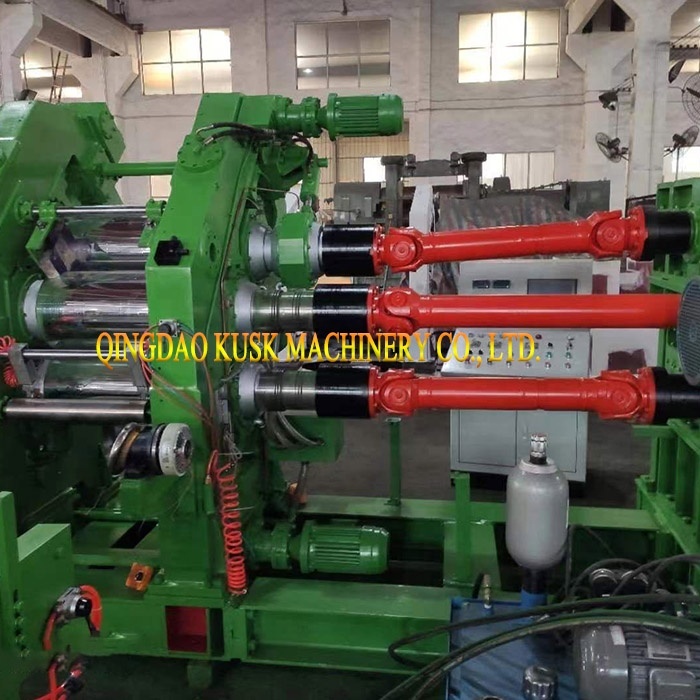
At its core, a rubber calender machine consists of a series of rollers that compress and shape rubber materials. The primary function of this machine is to process rubber into a flat sheet or film, which can then be used for various applications, including tire manufacturing, flooring, and other industrial uses. The production line typically includes several stages, such as material feeding, pre-heating, calendering, cooling, and winding.
One of the key advantages of the rubber calender machine production line is its ability to produce consistent thickness and smooth surfaces in the final product. This is critical in applications where precision is paramount, such as automotive and medical sectors. Furthermore, modern calendering machines are equipped with advanced technology that allows for real-time monitoring and adjustments, ensuring optimal performance and minimal waste.
The selection of materials to be processed is also essential. Various additives can be mixed with the rubber to achieve desired properties, such as improved durability, flexibility, or resistance to environmental factors. Understanding the right formulations and their interactions can greatly enhance the quality of the final product.
Another important aspect of the rubber calender machine production line is maintenance. Regular upkeep is vital to ensure the longevity and efficiency of the machines. This includes routine inspections, lubrication, and timely replacement of worn-out parts. Implementing a preventive maintenance schedule can help in minimizing downtime and maximizing production capacity.
In addition to maintenance, training operators on the correct usage of the rubber calender machine is essential. Well-trained staff can operate the machinery effectively, troubleshoot potential problems, and optimize production processes, leading to improved output and reduced costs.
In conclusion, the rubber calender machine production line is a pivotal component in the rubber processing industry. By understanding its operation, selecting appropriate materials, and implementing effective maintenance practices, manufacturers can enhance the quality and efficiency of their products. As the rubber industry continues to evolve, staying informed about advancements in calendering technology will be crucial for maintaining a competitive edge.
Hot Tags:

Contact Us
E-mail:
tender701@gmail.com
tender701@163.com
Phone/WhatsApp:
+86 137 9243 6835
Address:
Huangshan Economic Zone, Huangdao, Qingdao,China
