Professional manufacturer with the design, development and production of rubber and plastic machinery

Understanding Rubber Calender Machine Production Lines: A Comprehensive Guide
Feb 22,2026
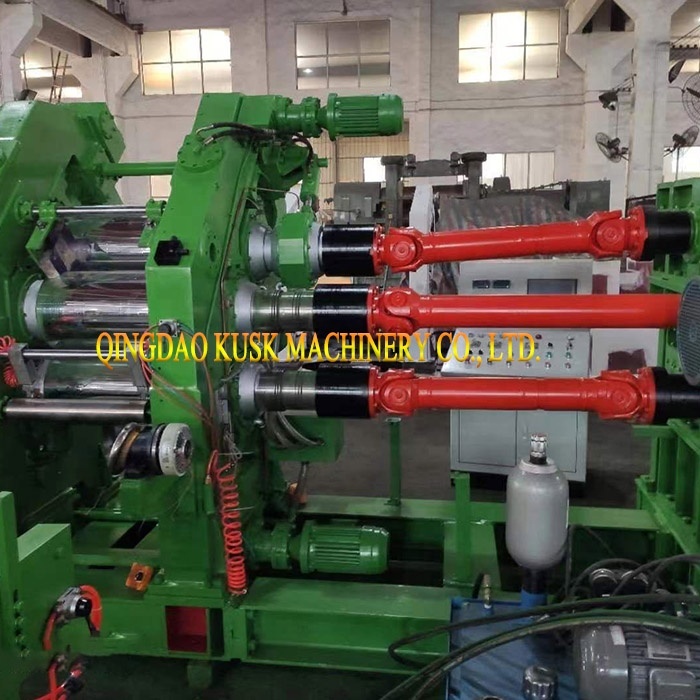
Rubber calender machine production lines are essential in the rubber processing industry, designed to transform raw rubber into usable products through a series of rolling and shaping processes. These machines utilize heavy-duty rollers to flatten, stretch, and mold rubber sheets, making them crucial for the production of various rubber goods, including tires, seals, and gaskets. Understanding the various components and functionalities of a rubber calender machine production line can help manufacturers optimize their processes and enhance product quality.
The primary operation of a rubber calender machine involves the use of two or more rollers that rotate in opposite directions. This rolling action applies pressure to the rubber material, allowing it to be evenly distributed and shaped into sheets of desired thickness. The temperature and speed of the rollers can be adjusted to meet specific production requirements, making these machines versatile for different types of rubber formulations.
One of the significant advantages of utilizing a rubber calender machine production line is its ability to produce uniform thickness in rubber sheets. This consistency is critical for ensuring that the final products meet industry standards and customer specifications. Additionally, the calendering process enhances the rubber's properties, such as elasticity and tensile strength, making it suitable for a wide range of applications.
In a typical rubber calender machine production line, several components work in conjunction to ensure efficient operation. These components include the feed system, which delivers raw rubber to the rollers; the calendering section, where the material is processed; and the cooling system that allows the rubber sheets to stabilize post-processing. Furthermore, advanced automation systems are often integrated into these production lines to monitor and control various parameters, enhancing precision and minimizing waste.
Maintenance is another critical aspect of rubber calender machine production lines. Regular inspection and servicing of the rollers and other mechanical parts are necessary to ensure optimal performance and longevity of the equipment. Implementing a preventive maintenance schedule can help identify potential issues before they lead to costly downtime or production delays.
In conclusion, rubber calender machine production lines represent a vital technology in the rubber processing sector. By understanding the operation and components of these machines, manufacturers can improve their production efficiency and product quality. As the industry continues to evolve, staying informed about the latest advancements in calendering technology will be essential for competing effectively in the market.
Hot Tags:

Contact Us
E-mail:
tender701@gmail.com
tender701@163.com
Phone/WhatsApp:
+86 137 9243 6835
Address:
Huangshan Economic Zone, Huangdao, Qingdao,China
