Professional manufacturer with the design, development and production of rubber and plastic machinery

The Future of Rubber Compounding: Innovations in Extrusion Machinery
Jan 19,2026
The Future of Rubber Compounding: Innovations in Extrusion Machinery
Table of Contents
1. Introduction to Rubber Compounding and Extrusion Machinery
2. The Importance of Innovations in Rubber Processing
3. Current Trends in Extrusion Technologies
3.1. Twin-Screw Extruders: A Game Changer
3.2. Energy Efficiency in Extrusion
3.3. Automation and Industry 4.0
4. Key Innovations in Extrusion Machinery
4.1. Advanced Control Systems
4.2. Innovative Feeding Technologies
4.3. Enhanced Cooling Techniques
5. Future Trends in Rubber Compounding
5.1. Biodegradable Rubber Compounds
5.2. Customization and Flexibility
6. Challenges Facing the Rubber Compounding Industry
7. Frequently Asked Questions (FAQs)
8. Conclusion
1. Introduction to Rubber Compounding and Extrusion Machinery
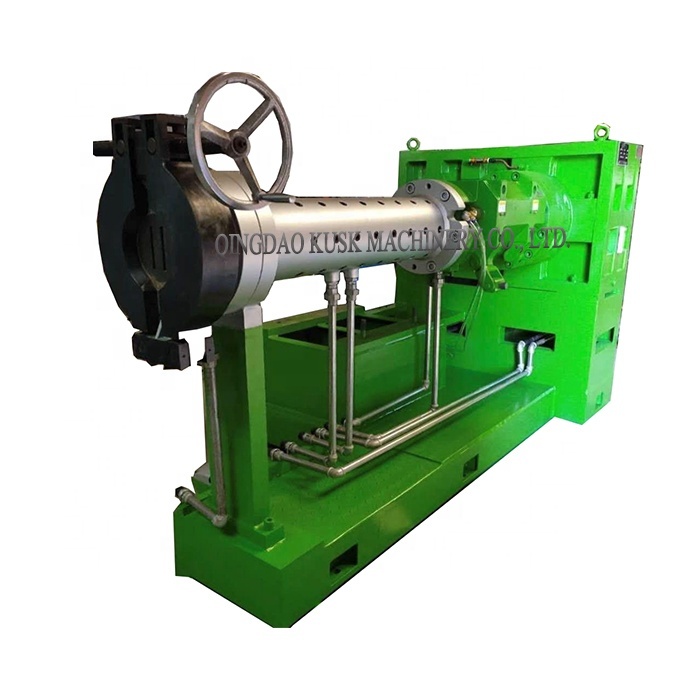
Rubber compounding is a critical process in the manufacturing of rubber products, where raw rubber is mixed with various additives to achieve desired properties. This process is heavily reliant on **extrusion machinery**, which shapes the compounded rubber into forms suitable for further processing or direct use. As industries evolve, the need for more efficient, sustainable, and innovative machinery becomes increasingly vital for maintaining competitive advantage.
2. The Importance of Innovations in Rubber Processing
In the fast-paced world of manufacturing, innovations in rubber processing not only enhance product quality but also improve production efficiency. As global demand for rubber products increases, manufacturers must embrace advancements in **extrusion technology** to meet customer expectations while minimizing costs. Innovations lead to reduced waste, lower energy consumption, and improved product consistency.
3. Current Trends in Extrusion Technologies
The landscape of rubber compounding is constantly changing, with emerging technologies paving the way for enhanced performance and sustainability.
3.1. Twin-Screw Extruders: A Game Changer
One of the most notable advancements in extrusion technology is the rise of **twin-screw extruders**. Unlike single-screw extruders, twin-screw models facilitate better mixing and processing of materials, leading to superior rubber compounds. These systems allow for precise control over the compounding process, which is essential for achieving specific material properties.
3.2. Energy Efficiency in Extrusion
Energy efficiency is a growing concern in manufacturing. New generation extrusion machinery incorporates advanced technologies that reduce energy consumption without compromising output. For instance, optimized motors and drives contribute to lower operational costs and a smaller carbon footprint.
3.3. Automation and Industry 4.0
Automation is transforming the rubber compounding landscape. The integration of **Industry 4.0** technologies, such as the Internet of Things (IoT) and machine learning, allows for real-time monitoring and control of the extrusion process. This not only improves efficiency but also enables predictive maintenance, reducing downtime and enhancing productivity.
4. Key Innovations in Extrusion Machinery
Innovations in extrusion machinery are crucial for driving the industry forward. Here are some key advancements:
4.1. Advanced Control Systems
Modern extrusion machines come equipped with sophisticated control systems that enable operators to monitor and adjust parameters in real time. This ability to fine-tune the process helps manufacturers achieve consistent quality and reduces the likelihood of defects in the final product.
4.2. Innovative Feeding Technologies
The feeding system is a critical component of the extrusion process. New feeding technologies, such as gravimetric and volumetric feeders, ensure accurate and consistent material feeding, which is essential for quality control in rubber compounding.
4.3. Enhanced Cooling Techniques
Cooling is a vital stage in the extrusion process to solidify the shaped rubber. Recent innovations include advanced cooling technologies that enhance the cooling efficiency and reduce cycle times, thus speeding up production without sacrificing quality.
5. Future Trends in Rubber Compounding
As we look towards the future, several trends are shaping the rubber compounding industry.
5.1. Biodegradable Rubber Compounds
With increasing environmental concerns, the development of **biodegradable rubber compounds** is gaining traction. These materials promise to reduce the environmental impact of rubber products and align with sustainability goals.
5.2. Customization and Flexibility
Consumers increasingly demand customized products tailored to their specific needs. Future extrusion machinery will likely focus on **flexibility**, enabling manufacturers to easily switch between different formulations and production runs without extensive downtime.
6. Challenges Facing the Rubber Compounding Industry
Despite the advancements, the rubber compounding industry faces several challenges, including rising raw material costs, regulatory pressures regarding environmental impact, and the need to retain skilled labor in a rapidly changing technological landscape.
7. Frequently Asked Questions (FAQs)
Q1: What is rubber compounding?
A1: Rubber compounding is the process of mixing raw rubber with various additives to achieve specific physical and chemical properties suitable for manufacturing.
Q2: How does extrusion work in rubber processing?
A2: Extrusion involves forcing the compounded rubber through a die to shape it into the desired form, which can then be cured or processed further.
Q3: Why are twin-screw extruders preferred over single-screw models?
A3: Twin-screw extruders offer better mixing capabilities, enhanced material processing, and improved control over the compounding process.
Q4: What impact does automation have on rubber compounding?
A4: Automation leads to greater efficiency, reduced production costs, and improved consistency in product quality through real-time monitoring and control.
Q5: What are the future trends in rubber compounding technology?
A5: Future trends include the development of biodegradable rubber compounds, advancements in customization capabilities, and the continued adoption of Industry 4.0 technologies.
8. Conclusion
The future of rubber compounding is undeniably intertwined with innovations in extrusion machinery. As we progress, the integration of advanced technologies will not only enhance the efficiency and quality of rubber products but also contribute to the industry's sustainability goals. By adopting these innovations, manufacturers can stay competitive and meet the evolving demands of the market. Embracing the future of rubber compounding means investing in machinery that drives the industry forward while addressing environmental concerns and maintaining product quality.
Hot Tags:
PREVIOUS:

Contact Us
E-mail:
tender701@gmail.com
tender701@163.com
Phone/WhatsApp:
+86 137 9243 6835
Address:
Huangshan Economic Zone, Huangdao, Qingdao,China
