Professional manufacturer with the design, development and production of rubber and plastic machinery

Using Rubber Calenders for the Production of High-Performance Gaskets
Nov 19,2025
Using Rubber Calenders for the Production of High-Performance Gaskets
Table of Contents
- 1. Introduction to Rubber Calenders
- 2. What is a Rubber Calender?
- 3. The Importance of High-Performance Gaskets
- 4. How Rubber Calenders Work in Gasket Production
- 5. Materials Used in Gasket Production with Rubber Calenders
- 6. Advantages of Using Rubber Calenders for Gasket Production
- 7. Applications of High-Performance Gaskets
- 8. The Future of Rubber Calenders and Gasket Production
- 9. FAQs
- 10. Conclusion
1. Introduction to Rubber Calenders
Rubber calenders have emerged as vital machinery in the manufacturing of various rubber products, particularly high-performance gaskets. These machines facilitate the creation of uniform rubber sheets through a series of rollers, making them indispensable in producing gaskets that require precision and reliability. The ability to control thickness, texture, and composition significantly enhances the quality and performance of the final product.
2. What is a Rubber Calender?
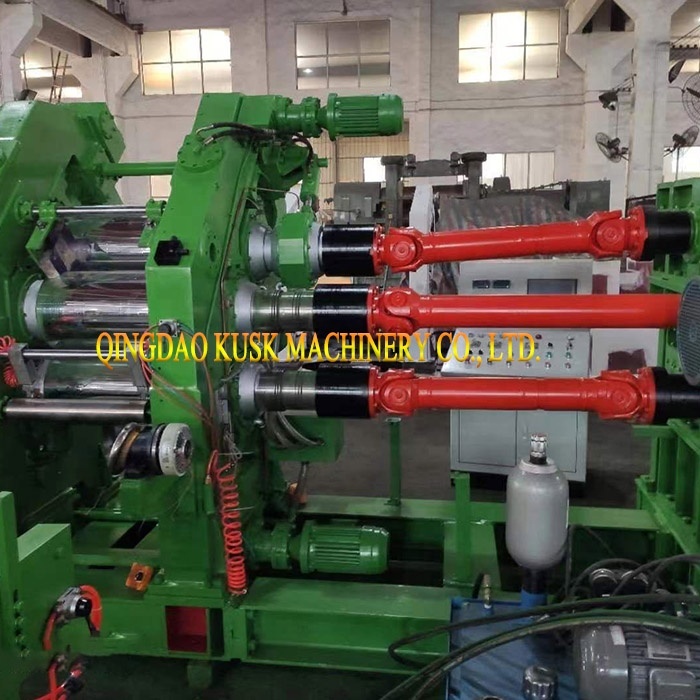
A rubber calender is a type of industrial machine designed to process rubber materials into flat sheets or coatings. It consists of multiple rollers that work in tandem to shape, mix, and refine rubber compounds. The primary function of a calender is to apply pressure and heat, which allows for the uniform dispersion of additives and fillers within the rubber matrix. This process is essential for producing high-quality gaskets that meet specific performance criteria.
3. The Importance of High-Performance Gaskets
High-performance gaskets play a critical role in various industries, including automotive, aerospace, and manufacturing. They provide essential sealing capabilities in engines, pumps, and other machinery, preventing leaks and ensuring operational efficiency. The reliability of these components directly impacts the safety, performance, and durability of the equipment they service. Therefore, the production of high-performance gaskets demands precision and consistency, which is where rubber calenders excel.
4. How Rubber Calenders Work in Gasket Production
Rubber calenders operate on a simple yet effective principle. The process begins with the preparation of the rubber compound, which includes the base rubber, fillers, and additives. Once the mixture is ready, it is fed into the calendering machine:
4.1 Feeding the Compound
The rubber compound is introduced into the calender, where it is guided between the rollers. The spacing between the rollers can be adjusted to achieve the desired thickness of the rubber sheet.
4.2 Calendering Process
As the rollers rotate, they apply pressure to the compound, effectively flattening and stretching it into uniform sheets. The heat generated from the friction of the rollers also aids in the curing of the rubber, further enhancing its properties.
4.3 Cutting and Finishing
After the calendering process is complete, the rubber sheets are cut into appropriate sizes for further processing, such as die-cutting or molding into gasket shapes. This ensures that the gaskets produced have the exact specifications required for their intended applications.
5. Materials Used in Gasket Production with Rubber Calenders
The choice of materials used in gasket production significantly influences the performance characteristics of the final product. Commonly used materials include:
5.1 Nitrile Rubber (NBR)
Nitrile rubber is widely used for gaskets due to its excellent resistance to oil, fuel, and other chemicals. Its durability and flexibility make it an ideal choice for automotive and industrial applications.
5.2 Silicone Rubber
Silicone rubber offers superior temperature resistance and is often used in high-heat applications. Its excellent sealing capabilities make it suitable for gaskets in various environments.
5.3 EPDM Rubber
Ethylene Propylene Diene Monomer (EPDM) rubber is known for its resistance to weathering, ozone, and aging. It is frequently used in outdoor applications where exposure to the elements is a concern.
5.4 Fluoroelastomers
Fluoroelastomers are engineered for extreme chemical and temperature resistance, making them ideal for gaskets in highly corrosive environments. They provide exceptional sealing performance even under challenging conditions.
6. Advantages of Using Rubber Calenders for Gasket Production
The use of rubber calenders in gasket production presents numerous advantages, including:
6.1 Consistency and Uniformity
Rubber calenders ensure uniform thickness and consistency in rubber sheets, which is critical for gasket performance. This uniformity reduces the likelihood of leaks and failures in applications.
6.2 Enhanced Material Properties
The calendering process improves the dispersion of additives within the rubber, enhancing its mechanical properties. This results in gaskets that are more durable and resilient.
6.3 Cost Efficiency
By streamlining the production process, rubber calenders help manufacturers reduce waste and lower production costs. The ability to produce large quantities of rubber sheets quickly and efficiently contributes to overall cost savings.
6.4 Versatility
Rubber calenders can be adjusted to produce various thicknesses, textures, and compounds, making them suitable for a wide range of gasket applications across different industries.
7. Applications of High-Performance Gaskets
High-performance gaskets manufactured using rubber calenders are utilized in diverse applications, including:
7.1 Automotive Industry
Gaskets are essential components in engines, transmissions, and exhaust systems, providing necessary sealing to prevent leaks and maintain performance.
7.2 Aerospace Industry
In aviation, gaskets play a vital role in sealing fuel systems, hydraulic systems, and engines, where reliability and safety are critical.
7.3 Manufacturing and Industrial Equipment
High-performance gaskets are used in pumps, compressors, and valves, ensuring optimal operation and efficiency across various manufacturing processes.
8. The Future of Rubber Calenders and Gasket Production
As technology continues to advance, the rubber calendering process is expected to evolve further. Innovations such as automation, improved material formulations, and enhanced monitoring systems will likely increase production efficiency and product quality. Manufacturers are also focusing on sustainability, exploring eco-friendly materials and processes to minimize environmental impact. The future of gasket production is poised for exciting developments that will enhance performance while prioritizing sustainability.
9. FAQs
Q1: What types of gaskets can be produced using rubber calenders?
A1: Rubber calenders can produce a wide range of gaskets, including those for automotive, aerospace, and industrial applications, utilizing various rubber materials.
Q2: How does the calendering process improve gasket performance?
A2: The calendering process enhances the uniformity of rubber sheets and improves the dispersion of additives, resulting in gaskets with superior mechanical properties and sealing capabilities.
Q3: Are there any limitations to using rubber calenders?
A3: While rubber calenders are versatile, they may be less effective for producing extremely complex or intricate gasket shapes, which may require alternative manufacturing methods.
Q4: Can rubber calenders handle different types of rubber compounds?
A4: Yes, rubber calenders are designed to process various rubber compounds, allowing manufacturers to customize gaskets for specific applications and performance requirements.
Q5: What is the role of additives in gasket production?
A5: Additives improve the performance characteristics of rubber, such as heat resistance, chemical stability, and durability, ensuring that the gaskets meet industry standards.
10. Conclusion
Rubber calenders play a crucial role in the production of high-performance gaskets, providing a reliable and efficient manufacturing solution. Their ability to create uniform rubber sheets, enhance material properties, and offer cost-effective production methods makes them indispensable in various industries. As technology progresses, the future of rubber calenders and gasket production looks promising, with innovations that will drive quality and sustainability. By leveraging the advantages of rubber calenders, manufacturers can ensure that their gaskets meet the demanding standards of performance and reliability required in today’s competitive market.
Hot Tags:

Contact Us
E-mail:
tender701@gmail.com
tender701@163.com
Phone/WhatsApp:
+86 137 9243 6835
Address:
Huangshan Economic Zone, Huangdao, Qingdao,China
