Professional manufacturer with the design, development and production of rubber and plastic machinery

Optimizing Tire Retreading Production Lines for Efficiency and Sustainability
Nov 16,2025
The tire retreading production line represents a critical intersection of innovation and sustainability within the manufacturing sector, particularly relevant for industries focused on machinery and packaging solutions. In essence, tire retreading is the process of refurbishing used tires by replacing the worn tread with new rubber, thereby extending the tire's lifespan while reducing waste and resource consumption.
One of the primary advantages of a tire retreading production line is its ability to contribute to a circular economy. By reusing materials that already exist, manufacturers can significantly reduce the demand for raw materials, which is not only cost-effective but also environmentally friendly. This is increasingly important in today's world, where sustainability is a key driver for many businesses.
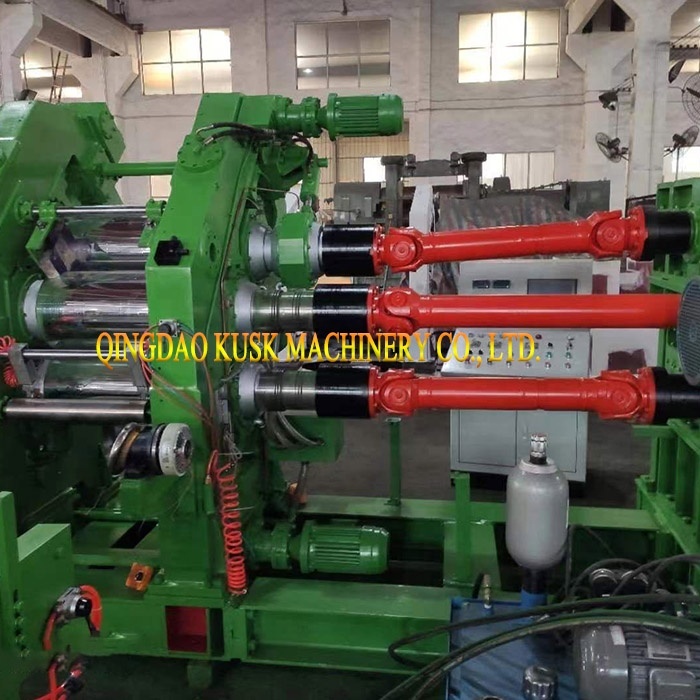
The typical tire retreading production line consists of several essential components that work together to ensure efficient operation. These include the inspection station, buffing machine, tread application unit, curing system, and finishing station. Initially, tires are carefully inspected for damage before entering the buffing stage, where the worn tread is removed to prepare the surface for new rubber. Following this, a tread application unit applies the new tread material, which is then cured under controlled conditions to ensure proper adhesion and durability.
To optimize a tire retreading production line, manufacturers should focus on several best practices. First, implementing advanced monitoring systems can enhance operational transparency and efficiency. By utilizing IoT (Internet of Things) technologies, manufacturers can track the performance of various components in real-time, allowing for predictive maintenance and minimizing downtime.
Second, integrating automation can streamline various stages of the retreading process. Automated systems, such as robotic arms for tread application, can improve precision and speed, leading to higher throughput and reduced labor costs. Additionally, automation minimizes human error, ensuring consistent quality in the retreaded products.
Finally, adopting eco-friendly materials and processes is essential for any tire retreading production line focused on sustainability. Manufacturers should prioritize sourcing rubber compounds that are not only durable but also derived from renewable resources. This approach not only meets market demands for greener products but also positions businesses as leaders in sustainable manufacturing practices.
In conclusion, the tire retreading production line is a vital component of the manufacturing industry, particularly in the realm of packaging machinery. By focusing on efficiency, automation, and sustainability, manufacturers can optimize their production lines, reduce waste, and contribute positively to the environment while meeting the growing demand for retreaded tires.
Hot Tags:

Contact Us
E-mail:
tender701@gmail.com
tender701@163.com
Phone/WhatsApp:
+86 137 9243 6835
Address:
Huangshan Economic Zone, Huangdao, Qingdao,China
